当前位置:网站首页>Kotlin asynchronous flow
Kotlin asynchronous flow
2022-06-24 13:39:00 【day_ moon】
 //1. Indicates multiple values    Stream is used to return multiple asynchronously computed values
    fun foo(): List<Int> = listOf(1, 2, 3)
    fun forEachList() {
        foo().forEach { value -> println(value) }
    }

    //2. Sequence
    fun foos(): Sequence<Int> = sequence {// Use a sequence (Sequence) To represent numbers
        for (i in 1..3) {
            Thread.sleep(1000)// wait for 100 millisecond
            yield(i)// The next value is
        }
    }

    fun forEachSequences() {
        foos().forEach { value -> println(value) }
    }

    //3  Suspend function
    suspend fun foo_Suspending(): List<Int> {//suspend Decoration does not block the main thread  ,List<Int> We can only return all values at once
        delay(1000)
        return listOf(1, 2, 3)
    }

    fun main_Suspending() = runBlocking {
        foo_Suspending().forEach { value -> println(value) }
    }

    //4.Flows
    fun foo_flows(): Flow<Int> = flow {// The constructor function is named  flow  No longer mark  suspend  Modifier
        for (i in 1..3) { //flow{...}  Code blocks in can be suspended
            delay(2000)
            emit(i)// Value through  emit  Function is emitted from the stream
        }
    }

    fun main_flows() = runBlocking<Unit> {
        launch {// Used to check whether the main thread is blocked
            for (k in 1..3) {
                println("k $k")
                delay(1000)// wait for 1000 millisecond   Does not block the main thread
            }
        }
        foo_flows().collect { value -> println("$value") }// collect  Function from  flow  The value of
    }

    //5. The flow is cold
    fun foo_cold(): Flow<Int> = flow {
        for (i in 1..3) {//flow  Each collection starts
            println("Flow Turn on ")
            delay(1000)
            emit(i)
        }
    }

    fun main_cold() = runBlocking {
        val flows = foo_cold()
        println("...$flows")
        flows.collect { value -> println("$value") }// First open , Then print the value
        println("... collect ")
    }

    //6. Cancel flow
    fun foo_cancel(): Flow<Int> = flow {
        for (i in 1..3) {
            delay(1000)
            emit(i)
        }
    }

    fun main_cancel() = runBlocking {
        withTimeoutOrNull(1200) {// Running one will cancel
            foo_cancel().collect { value -> println("$value") }
        }
        println("end")
    }

    //7. Stream builder  asFlow
    fun main_asFlow() = runBlocking {
        (1..3).asFlow().collect { value -> println("$value") }
    }

    //8. Intermediate flow operator
    suspend fun per_request(requst: Int): String {
        delay(1000)
        return "$requst"
    }

    fun main_map() = runBlocking {
        (1..3).asFlow()// Build flow
            .map { request -> per_request(request) }// Intermediate operators
            .collect { value -> println("$value") }
    }

    //9. Conversion operators
    suspend fun per_transform(requst: Int): String {
        delay(1000)
        return "$requst"
    }

    fun main_transform() = runBlocking {
        (1..3).asFlow()// Build flow
            .transform { request ->
                emit("request $request")// An asynchronous request is preceded by a string and followed by a response
                emit(per_transform(request))
            }// Intermediate operators
            .collect { value -> println("$value") }
    }

    //10  Length limiting operator
    fun number(): Flow<Int> = flow {
        try {
            emit(1)
            emit(2)
            println("end")// Run here to close
            emit(3)
        } finally {
            println("finally")
        }
    }
    fun main_take() = runBlocking {
        number().take(2).collect { value -> println("$value") }//take  Limit length
    }
    //11. Stream operators
    fun main_reduce()= runBlocking {
       val sun= (1..3).asFlow()// Tectonic flow
            .map { it*it }
            .reduce { a, b ->a + b  }// Turn the result into addition   Then return
        println("$sun")
    }
    //12  The flow is continuous   Like an assembly line
     fun main_flowd() = runBlocking {
        (1..10).asFlow().filter {   println(" Request value  $it")
            it % 2 != 0      }
            .map {
                println(" The return value is  $it")

            }.collect { value -> println("$value") }
    }
    //13  Stream context reservation   That is, after   There will be value   It's preserved
    fun main_save()= runBlocking {
        (1..5).asFlow().filter {it%2==0}.map {
            println(" The return value is  $it")
        }.collect { value -> println(" Finally back to  $value") }
    }
    //14  Misused  withContext
    fun flow_withContext():Flow<Int> = flow {
        withContext(Dispatchers.Default){// This line reports a mistake Flow invariant is violated
            for (i in 1..3){
                emit(i)
                println("$i")
            }
        }
    }
    fun main_withContext()= runBlocking {
        flow_withContext().collect { value -> println("$value") }
    }

    //15 flowOn  Operator   The context of the flow cannot be changed
    fun log(msg: String) = println("[${Thread.currentThread().name}] $msg")
    fun flow_flowOn():Flow<Int> = flow {
            for (i in 1..3){
                log("flow_flowOn $i")
                emit(i)
        }
    }.flowOn(Dispatchers.IO)// Execute in child thread
    fun main_flowOn()= runBlocking {
        log(" Lord ")// Main thread execution
        flow_flowOn().collect { value ->  log("main_flowOn  $value") }// Main thread execution
    }
    //16  buffer   Reduce collection time
    fun  flow_buffer():Flow<Int> = flow {
        for (i in 1..3){
            delay(2000)// altogether 6000
            emit(i)
        }
    }
    fun  main_buffer() = runBlocking {
        val time= measureTimeMillis {
            flow_buffer().buffer(1).collect {  value ->
                delay(300)// This step collects   It only took 300 many
                println("$value") }
        }
      println(" The time required  $time")//6326
    }
    //17 Merge  conflate
    fun flows_conflate():Flow<Int> = flow {
        for (i in 1..3){
            emit(i)
        }
    }
    fun main_conflate() = runBlocking {
        flows_conflate().conflate().// The second number is merged ( discarded )
        collect { value -> println("$value") }
    }
    //18  Process latest  collectLatest
    fun flow_collectLatest():Flow<Int> = flow {
        for (i in 1..3){
            emit(i)
        }
    }
    fun main_collectLatest()= runBlocking {
        flow_collectLatest().collectLatest { value ->
            delay(300)// Delay 3 second
            println("$value") }// Print only the last
    }
    //19  Combined flow  zip combine  The role of combined flow
   val one=(1..2).asFlow()
    val two= flowOf("4","5","6")
    fun main_zip() = runBlocking {
//      one.zip(two){a,b->"$a->$b"}.collect { value -> println("$value") }// Don't print 6
        one.combine(two){a,b->"$a->$b"}.collect { value -> println("$value") }//2 repeat   Then follow 6 Printed together
    }
   //20  Advection flow
    // flatMapConcat  Wait for the internal flow to complete , Then start collecting the next stream
    //flatMapMerge  Collect all incoming streams at the same time and merge their values into a single stream , In order to send the value as soon as possible
    //flatMapLatest  Process the latest value
    fun flow_Flattening(i: Int):Flow<String> = flow {
        emit("old $i")
       delay(1000)
       emit("new $i")
   }
    fun main_Flattening() = runBlocking {
        val startTime = System.currentTimeMillis()
        (1..3).asFlow().onEach { delay(100) }.flatMapLatest  { flow_Flattening(it) }.collect { value ->
            println("$value  Collection time  ${System.currentTimeMillis() - startTime} ms ")
        }
    }
    //21  Catch exception flow
    //sampleStart
    fun flow_catch(): Flow<String> =
        flow {
            for (i in 1..3) {
                println("Emitting $i")
                emit(i) // emit next value
            }
        }
            .map { value ->
                check(value <= 1) { println("$value") }// Make an exception
                "string $value"
            }

    fun main_catch() = runBlocking<Unit> {
        //1. use try catch
//        try {
//            flow_catch().collect { value -> println(value) }
//        } catch (e: Throwable) {
//            println("Caught $e")// Catch any exception
//        }
        //2.catch
//        flow_catch().catch { e-> emit("Caught $e") }.collect { value -> println("$value") }// use catch replace
        //3. Put the exception in collect  That is, downstream   It doesn't work
        flow_catch().catch { e-> emit("Caught $e") }.collect { value ->
//            check(value <= "1") { "Collected $value" }//
            println(value)
        }
        //4. Catch exceptions declaratively
        flow_catch().onEach { value ->
            check(value <= "1") { " Check  $value" }
            println(value)
        }
            .catch { e -> println("Caught $e") }
            .collect()
    }
//22. Flow complete except finally Outside , also onCompletion
fun flows_oncompletion():Flow<Int> = flow {
emit(1)// Send numbers 1 Exception thrown after
throw RuntimeException()
}
fun main_onCompletion() = runBlocking {
flows_oncompletion().onCompletion {//onCompletion There is one Throwable Parameters can be used to determine whether the stream collection is completed normally or abnormally
cause ->if (cause!=null) println(" There are exceptions ") }
.catch { //onCompletion Operator does not handle exceptions The anomaly will still flow downstream
cause -> println(" Exception is $cause") }.collect { value -> println("$value") }
}
//23 Start the flow
fun main_even() = runBlocking {
(1..3).asFlow().onEach { delay(1000) }.onEach { event-> println("$event") // Register a piece of code as a response to an incoming event
}.collect( )// Wait for the collection stream to complete
println("end ..")// When the collection is completed To run this
}
//24 Start the flow
fun main_launchIn() = runBlocking {
(1..3).asFlow().onEach { delay(1000) }.onEach { event-> println("$event") // Register a piece of code as a response to an incoming event
}.launchIn( this)// Wait for the collection stream to complete
println("end ..")// Run this first
}边栏推荐
- Process basic properties
- Resolve symbol conflicts for dynamic libraries
- Integrate API interface parameter Dictionary of accounts of multiple local distribution companies - Express 100
- Hardware development notes (6): basic process of hardware development, making a USB to RS232 module (5): creating USB package library and associating principle graphic devices
- 这几个默认路由、静态路由的配置部署都不会,还算什么网工!
- 源码解析 Handler 面试宝典
- kotlin 协程上下文和调度器
- Comparator sort functional interface
- Go deep into high-performance JSON parsing libraries in go
- 《中国数据库安全能力市场洞察,2022》报告研究正式启动
猜你喜欢
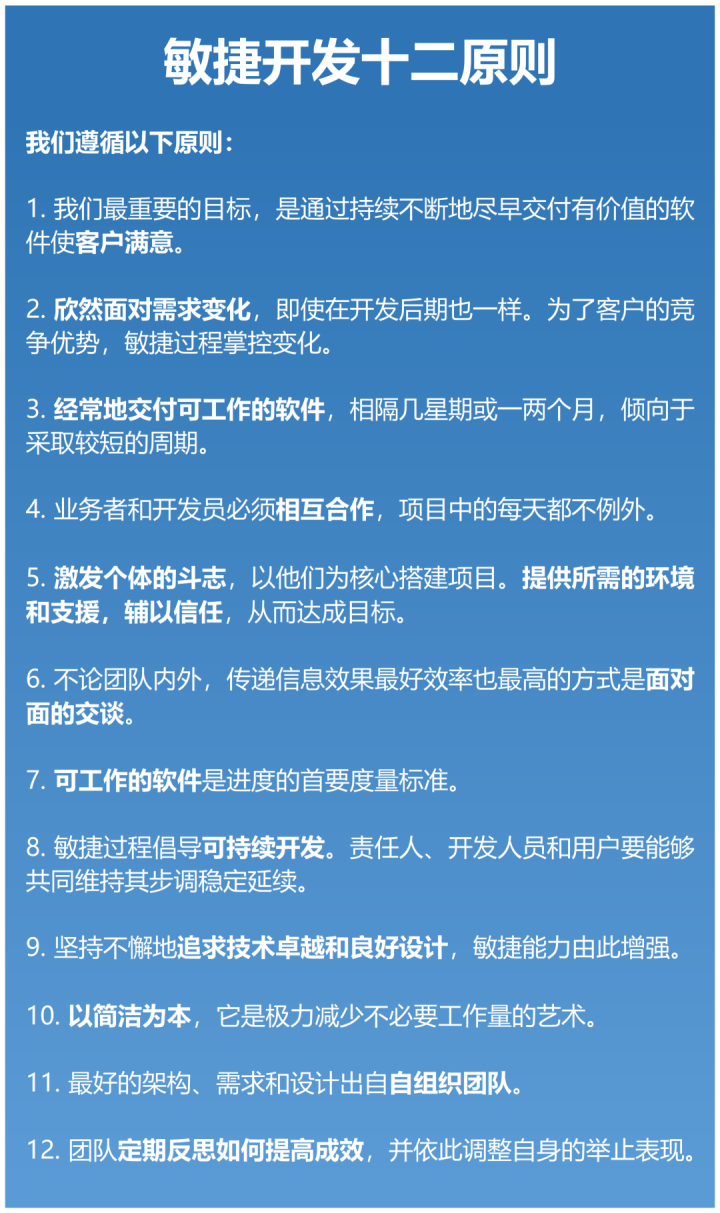
敏捷之道 | 敏捷开发真的过时了么?
Beauty of script │ VBS introduction interactive practice

【5G NR】5G NR系统架构

数据科学家面临的七大挑战及解决方法

Vulnerability management mistakes that CIOs still make
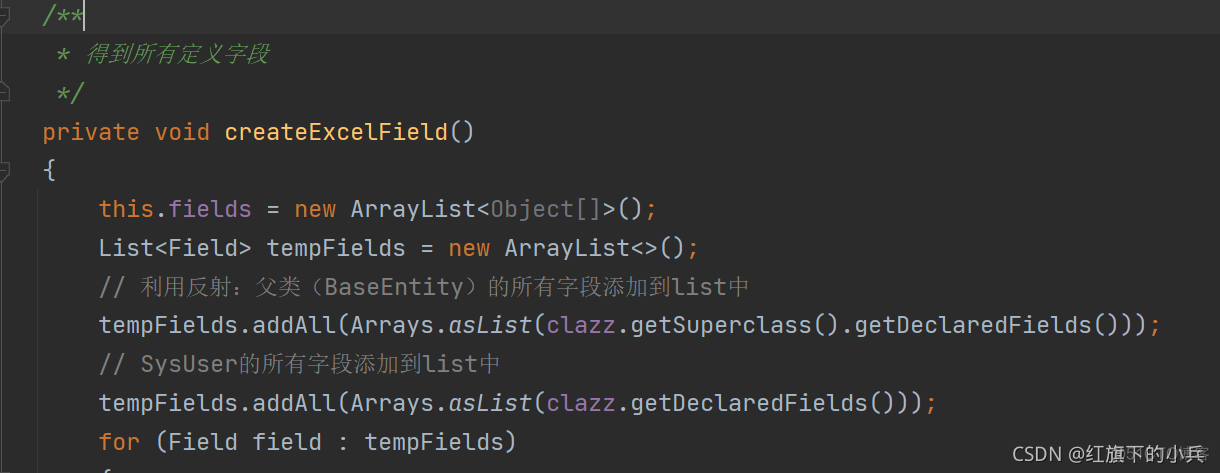
Comparator sort functional interface

DTU上报的数据值无法通过腾讯云规则引擎填入腾讯云数据库中
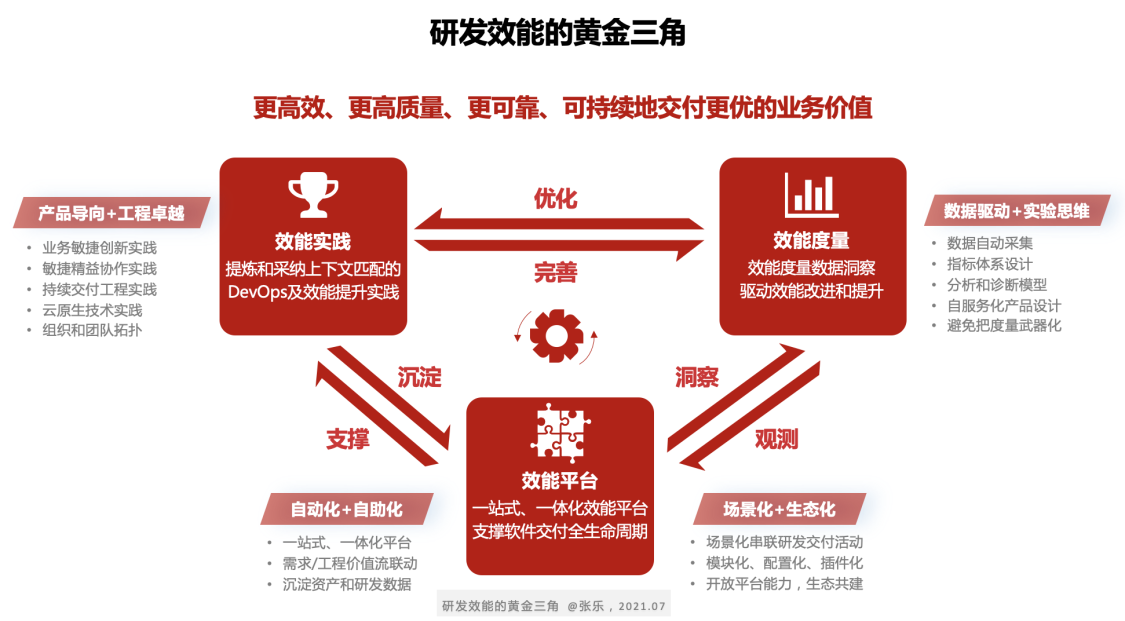
One article explains R & D efficiency! Your concerns are

青藤入选工信部网安中心“2021年数字技术融合创新应用典型解决方案”
每日一题day8-515. 在每个树行中找最大值
随机推荐
国内首款开源MySQL HTAP数据库即将发布,三大看点提前告知
金鱼哥RHCA回忆录:DO447管理项目和开展作业--为ansible剧本创建一个项目
Integrated API interface code of domestic express companies for intra city distribution and ordering - Express 100
Comparator sort functional interface
Kotlin anonymous function and lambda
Why is open source technology so popular in the development of audio and video streaming media platform?
系统测试主要步骤
源码解析 Handler 面试宝典
Evolution of the message module of the play live series (3)
How long will it take to open a mobile account? Is online account opening safe?
One hour is worth seven days! Ingenuity in the work of programmers
#云原生征文#Ingress案例实战
数据科学家面临的七大挑战及解决方法
手机开户后多久才能通过?在线开户安全么?
[one picture series] one picture to understand Tencent Qianfan ipaas
Hands on data analysis unit 3 model building and evaluation
The agile way? Is agile development really out of date?
Interviewer: the MySQL database is slow to query. What are the possible reasons besides the index problem?
Use abp Zero builds a third-party login module (I): Principles
Implement Domain Driven Design - use ABP framework - update operational entities