当前位置:网站首页>C language: addition and deletion of linked list in structure
C language: addition and deletion of linked list in structure
2022-07-28 05:17:00 【@Bu Xiangwan spicy】
C The linked list in language is an important knowledge point , I think we should first understand that there are three kinds of linked lists , One way linked list 、 Double linked list 、 Circular linked list .
Although there are three , But the essence is the same , There are data fields and pointer fields in a structure , Information used to describe nodes in the data field , The pointer field is used to point to the previous node or the next node .
It is divided into adding by value and adding by position
explain :
This add 、 Delete to add by value 、 Delete
Now look at the code :
Add the insertion of header nodes in the linked list
Insert... In the middle
Tail insertion
Deletion is also divided into header deletion
Delete... In the middle
Tail delete
Some details :
Reference time , If you want to change the header node , Just pass the secondary pointer , There is no need to change the header node , Just pass the first level pointer
There are many functions in the single linked list that need classification Introduction , Consider the extreme case where it has only one node or no nodes
Note that when there is no need to change the header node , It is absolutely forbidden to dereference the header node and write two in succession ->next when , Because it's easy to have problems in this case
#include <stdio.h>
#include <stdlib.h>

typedef struct Node
{
	int id;
	char* name;
	struct Node* pNext;
}List;
void AddNode(List** pphead, List** ppend, int id, char* name)
{
	List* ptemp =(List*) malloc(sizeof(List));
	ptemp->id = id;
	ptemp->name = name;
	ptemp->pNext = NULL;
	if (*pphead == NULL)
	{
		*pphead = ptemp;
	}
	else
	{
		(*ppend)->pNext = ptemp;
	}
	*ppend = ptemp;
}
void InsertNode(List** pphead, List** ppend, List* pNode, int n)
{
	List* pmark = *pphead;
	if ((*pphead)->id == n)
	{
		pNode->pNext = *pphead;
		*pphead = pNode;
	}
	while (pmark != *ppend)
	{
		if (pmark->pNext->id == n)
		{
			pNode->pNext = pmark->pNext;
			pmark->pNext = pNode;
			return;
		}
		pmark = pmark->pNext;
	}
	(*ppend)->pNext = pNode;
	*ppend = pNode;
}
void DeletNode(List** pphead, List** ppend, int n)
{
	List* pDel = NULL;
	List* pmark = *pphead;
	if ((*pphead)->id == n)
	{
		pDel = *pphead;
		(*pphead) = (*pphead)->pNext;
		free(pDel);
		pDel = NULL;
		return;
	}
	while (pmark != (*ppend))
	{
		if (pmark->pNext->id == n)
		{
			pDel = pmark->pNext;
			pmark->pNext = pDel->pNext;
			free(pDel);
			pDel = NULL;
			if (pmark->pNext == NULL)
			{
				*ppend = pmark;
			}
			return;
		}
		pmark = pmark->pNext;
	}
}
int main()
{
	List* phead = NULL;
	List* pend = NULL;
	AddNode(&phead, &pend, 1, "aa");
	AddNode(&phead, &pend, 2, "bb");
	AddNode(&phead, &pend, 3, "cc");
	AddNode(&phead, &pend, 4, "dd");
	AddNode(&phead, &pend, 5, "ee");

	List* p =(List*) malloc(sizeof(List));
	p->id = 7;
	p->name = "gg";
	p->pNext = NULL;
	/*InsertNode(&phead, &pend, p, 9);*/
	DeletNode(&phead, &pend, 5);

	while (phead != NULL)
	{
		printf("%d    %s\n", phead->id, phead->name);
		phead = phead->pNext;
	}
	return 0;
}
Output :
1    aa
2    bb
3    cc
4    dd

D:\c++\c Language \ Structure   Linked list \x64\Debug\ Structure   Linked list .exe ( process  15672) Exited , The code is  0.
 To automatically close the console when debugging stops , Please enable “ Tools ”->“ Options ”->“ debugging ”->“ Automatically close the console when debugging stops ”.
 Press any key to close this window . . .
summary :
Linked list and array are the two basic data structures in the algorithm , In the process of programming, we often use . Although both structures can be used to store a series of data , But each has its own characteristics .
The advantages of arrays , It is convenient to traverse and search the required data . Specify the location in the query array ( Such as... In the query array 4 Data ) In operation , Just do it 1 One operation is enough , The time complexity is O(1). however , The convenience of time , Because arrays take up a continuous space in memory , When doing similar searches or traversals , The essence is the directional offset of the pointer in memory . However , When you need to add and delete array members , The time complexity of completing such operations in the array becomes O(n).
边栏推荐
- Paper reading notes -- crop yield prediction using deep neural networks
- Service object creation and use
- Internal implementation principle of yymodel
- [computer level 3 information security] overview of information security assurance
- Online sql to XML tool
- 基于MPLS构建虚拟专网的配置实验
- HashSet add
- Driving the powerful functions of EVM and xcm, how subwallet enables Boca and moonbeam
- Reading notes of SMT practical guide 1
- Professor dongjunyu made a report on the academic activities of "Tongxin sticks to the study of war and epidemic"
猜你喜欢

Data security is gradually implemented, and we must pay close attention to the source of leakage

微服务故障模式与构建弹性系统
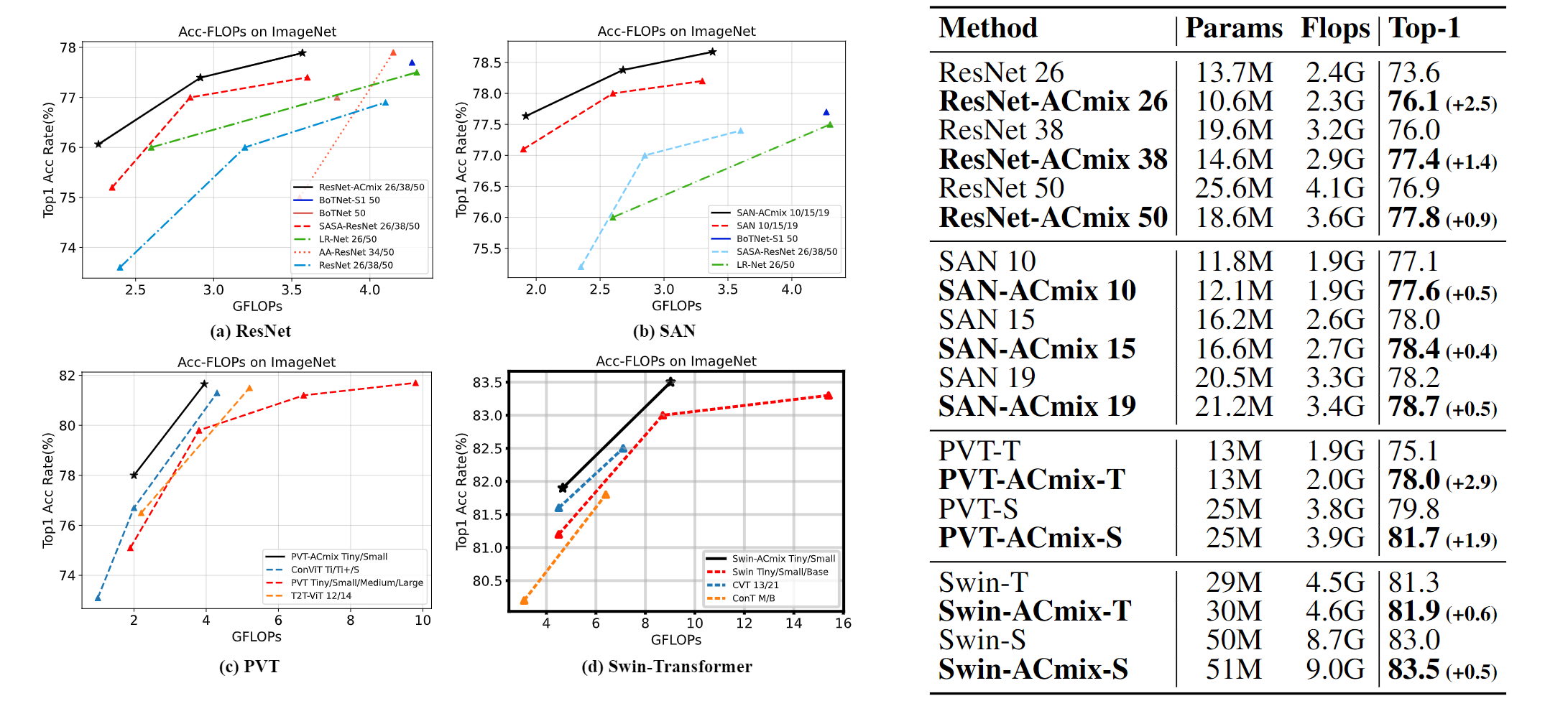
【CVPR2022】On the Integration of Self-Attention and Convolution

Know etcd

从微服务基本概念到核心组件-通过一个实例来讲解和分析
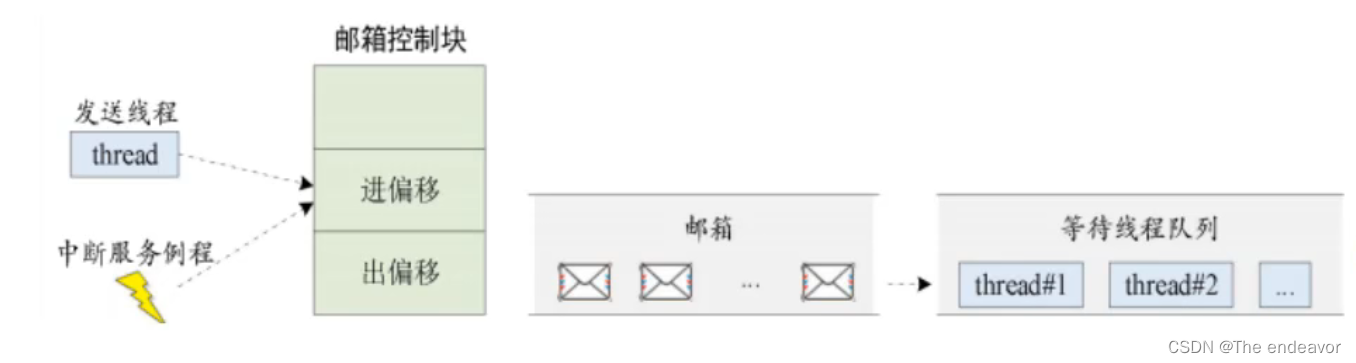
RT_ Use of thread mailbox

Special topic of APP performance design and Optimization - poor implementation affecting performance

Reading notes of SMT practical guide 1

mysql的日期与时间函数,varchar与date相互转换

【SLAM】LVI-SAM解析——综述
随机推荐
【ARXIV2203】CMX: Cross-Modal Fusion for RGB-X Semantic Segmentation with Transformers
Testcafe provides automatic waiting mechanism and live operation mode
7. < tag string and API trade-offs> supplement: Sword finger offer 05. replace spaces
Evolution of ape counseling technology: helping teaching and learning conceive future schools
FPGA:使用PWM波控制LED亮度
Barbie q! How to analyze the new game app?
HDU 2586 How far away ? (LCA multiplication method)
Clickhouse填坑记2:Join条件不支持大于、小于等非等式判断
凛冬已至,程序员该怎么取暖
Improving the readability of UI layer test with puppeter
C language classic 100 question exercise (1~21)
list indices must be integers or slices, not tuple
Applet import project
POJ 1330 Nearest Common Ancestors (lca)
数据库日期类型全部为0
Summary and review of puppeter
基于MPLS构建虚拟专网的配置实验
[slam] lvi-sam analysis - Overview
Mysql基本查询
多御安全浏览器将改进安全模式,让用户浏览更安全