当前位置:网站首页>使用StreamAPI 斷言組合,結合本地緩存做模糊查詢(比mysql效率提昇近1000倍)
使用StreamAPI 斷言組合,結合本地緩存做模糊查詢(比mysql效率提昇近1000倍)
2022-06-21 22:06:00 【每天都要加油呀!】
使用StreamAPI 斷言結合本地緩存做模糊查詢(比mysql效率提昇近1000倍)
最近手上有個需求,需要做模糊查詢,第一時間想到的是mysql分頁模糊查詢,但是甲方的需求是模糊查詢所有的數據,且這個模糊查詢也不好通過添加索引進行優化
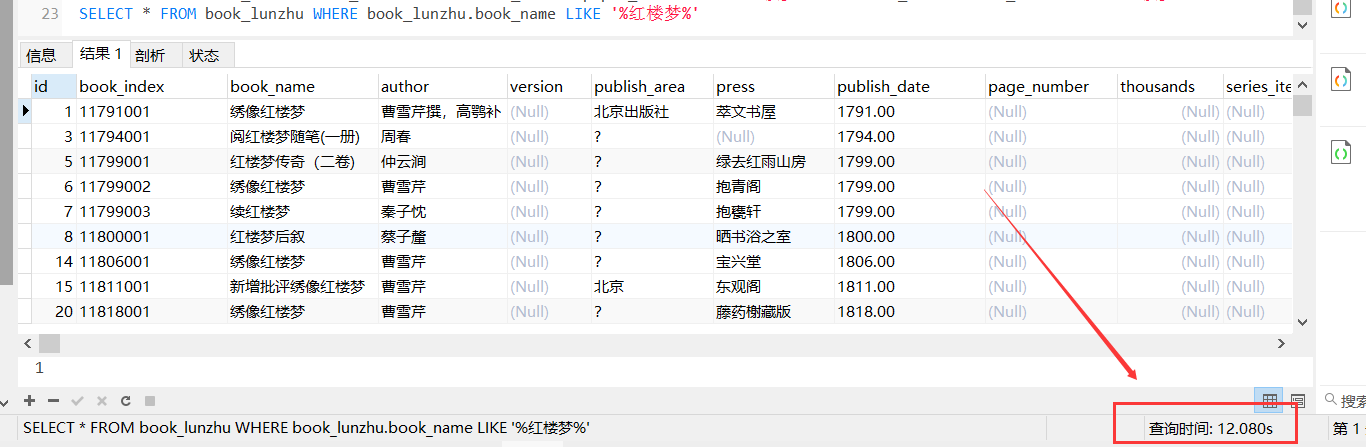
拿到這個需求後,我往大概2w條數據的數據庫中全錶模糊查詢了一下,耗時大概在10s左右:
然後我想其實我的數據量並不大,錶中的數據很難也幾乎不可能突破十萬條數據,如果我直接存在JVM緩存中是不是快一些
說幹就幹,這裏我使用Stream中斷言組合的方式進行模糊查詢,不熟悉的小夥伴可以看附錄中的小例子
這裏我根據模糊查詢的字段進行斷言組合:
@Override
public List<T> likeQuery(Map<String, Object> queryMap) {

    // 這裏需要先組合斷言,因為是與運算,所以初始化一個成功的斷言
    Predicate<Book> p = Objects::nonNull;
    for (Entry<String, Object> entry : queryMap.entrySet()) {

        String k = entry.getKey();
        String v = String.valueOf(entry.getValue());
        Predicate<Book> p2 = null;
        if (k.equalsIgnoreCase("bookName")) {

            p2 = book -> book.matchName(v);
        } else if (k.equalsIgnoreCase("author")) {

            p2 = book -> book.matchAuthor(v);
        } else if (k.equalsIgnoreCase("publishArea")) {

            p2 = book -> book.matchPublishArea(v);
        }
        // 斷言組合
        if (p2 != null){

            p = p.and(p2);
        }
    }
    // 我是自己用List做的緩存,所有這裏通過this獲取
    return this.stream()
            .filter(p)
            .collect(Collectors.toList());
}
然後在實體類中寫上比較的邏輯:
@Override
public  boolean matchName(String str) {

    if(this.bookName == null) return false;
    return this.bookName.contains(str);
}
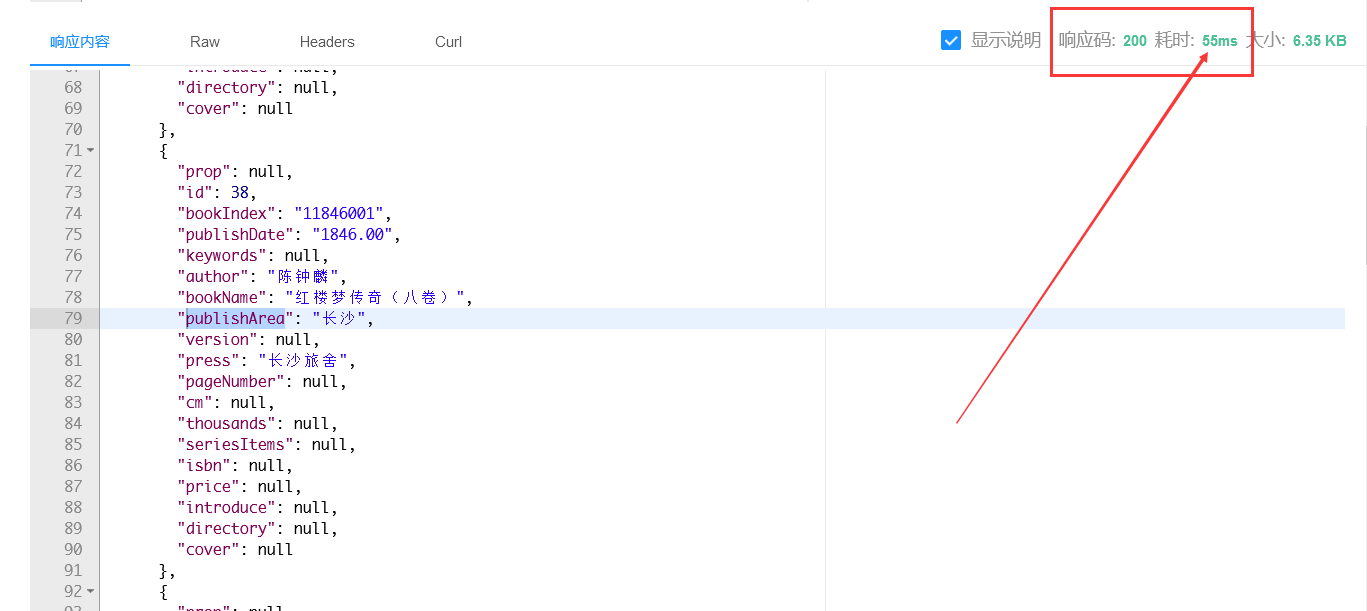
接下來就是看效果的時候了,實測兩萬條數據做模糊查詢不會超過100ms,一般會更低,且這裏還包括http請求的時間
通過
AB測對該接口做一下壓測,共設置1000個線程,做十萬次請求並記錄時間
十萬個請求僅耗時31秒

查看JVM堆空間占用情况
發現緩存2萬條數據,堆空間占用也在合理範圍,且GC後占用內存會大大降低

線程數也在合理範圍
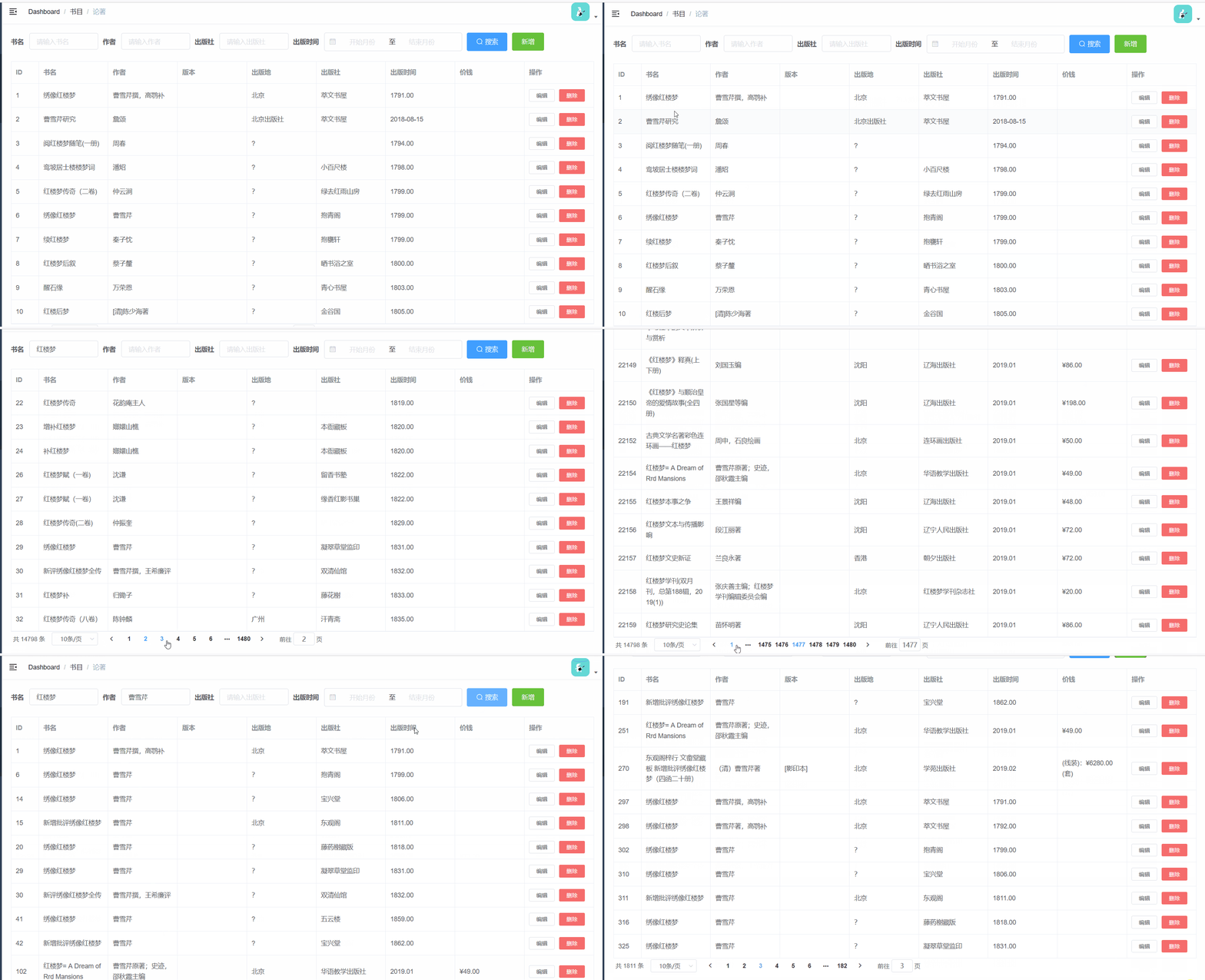
在前端模糊查詢,非常絲滑,毫無卡頓
小結:
這裏建議不要輕易使用並行流對性能進行提昇,因為並且流在處理過程中有許多不可控的風險,例如如果使用線程不安全的集合類進行並行流操作時,極有可能產生線程安全問題
筆者建議使用fork/join框架手動拆分任務,保證線程安全
附錄,Stream斷言組合模糊查詢例子
Predicate:<T>斷言型接口; 輸入一個對象,返回一個Boolean值,需要實現的抽象函數為boolean test(T t)
例如:
/** * 4.Predicate<T>:斷言型接口 */
@Test
public void test04(){

    List<String> list= Arrays.asList("Hello","我乃梁奉先是也","Lambda","www","ok");
    //過濾長度大於三的字符串
    System.out.println(filterStr(list,(str)->str.length()>3));
}
//需求,將滿足條件的字符串添加到集合中
private List<String> filterStr(List<String> list, Predicate<String> predicate) {

    List<String> strList = new ArrayList<>();
    for (String str : list) {

        if (predicate.test(str)) {

            strList.add(str);
        }
    }
    return strList;
}
斷言組合(謂詞組合),與或非
public class PredicateFunction {

    //抽取公共代碼
    static List<Apple> filterApples(List<Apple> inventory, Predicate<Apple> p){

        List<Apple> result = new ArrayList<>();
        inventory.forEach(apple -> {

            if(p.test(apple)){

                result.add(apple);
            }
        });
        return result;
    }

    public static void main(String[] args) {

        String[] colors = {
    "green","yellow","blue"};
        Random r = new Random();
        List<Apple> list = new ArrayList<>();
        for (int i = 0; i < 10; i++) {

            list.add(new Apple(colors[r.nextInt(colors.length)],r.nextInt(200)));
        }
        System.out.println(filterApples(list,Apple::isGreenApple));
        System.out.println(filterApples(list,Apple::isHealthyApple));
        //組合兩個條件
        Predicate<Apple> p1 = Apple::isGreenApple;
        Predicate<Apple> p2 = Apple::isHealthyApple;
        //或運算
        System.out.println(filterApples(list,p1.or(p2)));
        //and運算
        System.out.println(filterApples(list,p1.and(p2)));
    }
}

@Data
@AllArgsConstructor
class Apple{

    private String color;
    private int weight;
    public static boolean isGreenApple(Apple apple){

        return "green".equalsIgnoreCase(apple.getColor());
    }
    public static boolean isHealthyApple(Apple apple){

        return apple.getWeight() > 150;
    }
}
边栏推荐
- Xr34082a high efficiency boost dc/dc regulator IC
- AWS CloudWatch
- B2B商城网站助力企业加快分销速度,构建高效智能的B2B网上分销平台
- Yx2811 landscape installation driver IC
- 做自媒体视频,如何写出热门爆款标题
- How to write a proposal for an English paper?
- 杰理之外挂收音注意事项【篇】
- Characteristics and experimental suggestions of abbkine cell cycle Staining Kit
- 搭建Eureka-Server集群
- 3D octave view
猜你喜欢

Leetcode508- the most frequent subtree elements and - deep search

杰理之做蓝牙发射时,将立体声修改成单声道差分输出时,接收端出现卡音【篇】
Spark 离线开发框架设计与实现

Supplier management system of digital commerce cloud Paper Group: promote enterprise information construction and comprehensively improve supplier management efficiency

B2B mall website helps enterprises speed up distribution and build an efficient and intelligent B2B online distribution platform

Xr34082a high efficiency boost dc/dc regulator IC
12. signal foundation
Go language unit test basics from getting started to giving up

solidity实现智能合约教程(4)-ERC1155合约

GAMES101作业7-多线程提速实现步骤详解

随机推荐
ADT Spec RI AF CheckRep Safety from Rep Exposure
Summary of internship interview experience of more than ten failed internship positions
Yx2811 landscape installation driver IC
#15迭代器
Do280openshift command and troubleshooting -- accessing resources and resource types
MySQL创建表时的条件有哪些
电子招标采购商城系统:优化传统采购业务,提速企业数字化升级
What is the execution order of JS asynchronism
For in JS In function
7.目标检测
Wechat applet JS converts numbers into letters
Eureka console accesses the info endpoint exposed by the microservice
Go language unit test simulates service request and interface return
Advanced packaging, the beginning of a big cycle -- a symposium on semiconductor equipment
Worthington胰蛋白酶解决方案
JS异步的执行顺序是什么
杰理之蓝牙发射器的搜索设备的时间修改方法【篇】
电子招标采购商城系统:优化传统采购业务,提速企业数字化升级
Summary of intelligence problems
M3608 boost IC chip high efficiency 2.6a boost dc/dc converter