当前位置:网站首页>详解 gRPC 客户端长连接机制实现
详解 gRPC 客户端长连接机制实现
2022-07-26 17:32:00 【张三admin】
本文作者:
熊喵君,原文链接:https://pandaychen.github.io/2020/09/01/GRPC-CLIENT-CONN-LASTING/
转载
Go语言中文网 公众号 Golang爱好者社区,这里有精选的网站上数千篇优秀文章供你学习,内容涵盖Golang基础系列教程、实战教程等优秀开源项目实践,同时会分享职场经验。每周获取Golang一周资讯等值得关注的内容
0x00 前言
HTTP2 是一个全双工的流式协议, 服务端也可以主动 ping 客户端, 且服务端还会有一些检测连接可用性和控制客户端 ping 包频率的配置。gRPC 就是采用 HTTP2 来作为其基础通信模式的,所以默认的 gRPC 客户端都是长连接。 有这么一种场景,需要客户端和服务端保持持久的长连接,即无论服务端、客户端异常断开或重启,长连接都要具备重试保活(当然前提是两方重启都成功)的需求。在 gRPC 中,对于已经建立的长连接,服务端异常重启之后,客户端一般会收到如下错误:
rpc error: code = Unavailable desc = transport is closing
大部分的 gRPC 客户端封装都没有很好的处理这类 case,参见 Warden 关于 Server 端服务重启后 Client 连接断开之后的重试问题[1],对于这种错误,推荐有两种处理方法:
重试:在客户端调用失败时,选择以指数退避(Exponential Backoff )来优雅进行重试 增加 keepalive 的保活策略 增加重连(auto reconnect)策略
这篇文章就来分析下如何实现这样的客户端保活(keepalive)逻辑。提到保活机制,我们先看下 gRPC 的 keepalive 机制[2]。 0x01 HTTP2 的 GOAWAY 帧 HTTP2 使用 GOAWAY 帧信号来控制连接关闭,GOAWAY 用于启动连接关闭或发出严重错误状态信号。GOAWAY 语义为允许端点正常停止接受新的流,同时仍然完成对先前建立的流的处理,当 client 收到这个包之后就会主动关闭连接。下次需要发送数据时,就会重新建立连接。GOAWAY 是实现 grpc.gracefulStop 机制的重要保证。
gRPC 客户端 keepalive
gRPC 客户端提供 keepalive 配置如下:
var kacp = keepalive.ClientParameters{
 Time:                10 * time.Second, // send pings every 10 seconds if there is no activity
 Timeout:             time.Second,      // wait 1 second for ping ack before considering the connection dead
 PermitWithoutStream: true,             // send pings even without active streams
}
//Dial 中传入 keepalive 配置
conn, err := grpc.Dial(*addr, grpc.WithInsecure(), grpc.WithKeepaliveParams(kacp))
keepalive.ClientParameters 参数的含义如下:
Time:如果没有 activity, 则每隔 10s 发送一个 ping 包 Timeout:如果 ping ack 1s 之内未返回则认为连接已断开 PermitWithoutStream:如果没有 active 的 stream, 是否允许发送 ping 联想到,在项目中 ssh客户端[3] 和 mysql 客户端中都有着类似的实现,即单独开启协程来实现 keepalive:如下面的代码(以 ssh 为例):
go func() {
    t := time.NewTicker(2 * time.Second)
    defer t.Stop()
    for range t.C {
        _, _, err := client.Conn.SendRequest("[email protected]", true, nil)
        if err != nil {
            return
        }
    }
}()
gPRC 的实现
在 grpc-go 的 newHTTP2Client[4] 方法中,有下面的逻辑:即在新建一个 HTTP2Client 的时候会启动一个 goroutine 来处理 keepalive
// newHTTP2Client constructs a connected ClientTransport to addr based on HTTP2
// and starts to receive messages on it. Non-nil error returns if construction
// fails.
func newHTTP2Client(connectCtx, ctx context.Context, addr resolver.Address, opts ConnectOptions, onPrefaceReceipt func(), onGoAway func(GoAwayReason), onClose func()) (_ *http2Client, err error) {
    ...
 if t.keepaliveEnabled {
  t.kpDormancyCond = sync.NewCond(&t.mu)
  go t.keepalive()
    }
    ...
}
接下来,看下 keepalive 方法[5] 的实现:
func (t *http2Client) keepalive() {
 p := &ping{data: [8]byte{}} //ping 的内容
 timer := time.NewTimer(t.kp.Time) // 启动一个定时器, 触发时间为配置的 Time 值
 //for loop
 for {
  select {
  // 定时器触发
  case <-timer.C:
   if atomic.CompareAndSwapUint32(&t.activity, 1, 0) {
    timer.Reset(t.kp.Time)
    continue
   }
   // Check if keepalive should go dormant.
   t.mu.Lock()
   if len(t.activeStreams) < 1 && !t.kp.PermitWithoutStream {
    // Make awakenKeepalive writable.
    <-t.awakenKeepalive
    t.mu.Unlock()
    select {
    case <-t.awakenKeepalive:
     // If the control gets here a ping has been sent
     // need to reset the timer with keepalive.Timeout.
    case <-t.ctx.Done():
     return
    }
   } else {
    t.mu.Unlock()
    if channelz.IsOn() {
     atomic.AddInt64(&t.czData.kpCount, 1)
    }
    // Send ping.
    t.controlBuf.put(p)
   }

   // By the time control gets here a ping has been sent one way or the other.
   timer.Reset(t.kp.Timeout)
   select {
   case <-timer.C:
    if atomic.CompareAndSwapUint32(&t.activity, 1, 0) {
     timer.Reset(t.kp.Time)
     continue
    }
    t.Close()
    return
   case <-t.ctx.Done():
    if !timer.Stop() {
     <-timer.C
    }
    return
   }
  // 上层通知 context 结束
  case <-t.ctx.Done():
   if !timer.Stop() {
    // 返回 false,表示 timer 未被销毁
    <-timer.C
   }
   return
  }
 }
}
从客户端的 keepalive 实现中梳理下执行逻辑:
填充 ping 包内容, 为 [8]byte{},创建定时器, 触发时间为用户配置中的 Time 循环处理,select 的两大分支,一为定时器触发后执行的逻辑,另一分支为 t.ctx.Done(),即 keepalive 的上层应用调用了 cancel 结束 context 子树 核心逻辑在定时器触发的过程中
gRPC 服务端的 keepalive
gRPC 的服务端主要有两块逻辑: 接收并相应客户端的 ping 包 单独启动 goroutine 探测客户端是否存活 gRPC 服务端提供 keepalive 配置,分为两部分 keepalive.EnforcementPolicy 和 keepalive.ServerParameters,如下:
var kaep = keepalive.EnforcementPolicy{
 MinTime:             5 * time.Second, // If a client pings more than once every 5 seconds, terminate the connection
 PermitWithoutStream: true,            // Allow pings even when there are no active streams
}

var kasp = keepalive.ServerParameters{
 MaxConnectionIdle:     15 * time.Second, // If a client is idle for 15 seconds, send a GOAWAY
 MaxConnectionAge:      30 * time.Second, // If any connection is alive for more than 30 seconds, send a GOAWAY
 MaxConnectionAgeGrace: 5 * time.Second,  // Allow 5 seconds for pending RPCs to complete before forcibly closing connections
 Time:                  5 * time.Second,  // Ping the client if it is idle for 5 seconds to ensure the connection is still active
 Timeout:               1 * time.Second,  // Wait 1 second for the ping ack before assuming the connection is dead
}

func main(){
 ...
 s := grpc.NewServer(grpc.KeepaliveEnforcementPolicy(kaep), grpc.KeepaliveParams(kasp))
 ...
}
keepalive.EnforcementPolicy:
MinTime:如果客户端两次 ping 的间隔小于 5s,则关闭连接 PermitWithoutStream:即使没有 active stream, 也允许 ping keepalive.ServerParameters: MaxConnectionIdle:如果一个 client 空闲超过 15s, 发送一个 GOAWAY, 为了防止同一时间发送大量 GOAWAY, 会在 15s 时间间隔上下浮动 15*10%, 即 15+1.5 或者 15-1.5 MaxConnectionAge:如果任意连接存活时间超过 30s, 发送一个 GOAWAY MaxConnectionAgeGrace:在强制关闭连接之间, 允许有 5s 的时间完成 pending 的 rpc 请求 Time:如果一个 client 空闲超过 5s, 则发送一个 ping 请求 Timeout:如果 ping 请求 1s 内未收到回复, 则认为该连接已断开
gRPC 的实现
服务端处理客户端的 ping 包的 response 的逻辑在 handlePing 方法[6] 中。handlePing 方法会判断是否违反两条 policy, 如果违反则将 pingStrikes++, 当违反次数大于 maxPingStrikes(2) 时, 打印一条错误日志并且发送一个 goAway 包,断开这个连接,具体实现如下:
func (t *http2Server) handlePing(f *http2.PingFrame) {
 if f.IsAck() {
  if f.Data == goAwayPing.data && t.drainChan != nil {
   close(t.drainChan)
   return
  }
  // Maybe it's a BDP ping.
  if t.bdpEst != nil {
   t.bdpEst.calculate(f.Data)
  }
  return
 }
 pingAck := &ping{ack: true}
 copy(pingAck.data[:], f.Data[:])
 t.controlBuf.put(pingAck)

 now := time.Now()
 defer func() {
  t.lastPingAt = now
 }()
 // A reset ping strikes means that we don't need to check for policy
 // violation for this ping and the pingStrikes counter should be set
 // to 0.
 if atomic.CompareAndSwapUint32(&t.resetPingStrikes, 1, 0) {
  t.pingStrikes = 0
  return
 }
 t.mu.Lock()
 ns := len(t.activeStreams)
 t.mu.Unlock()
 if ns < 1 && !t.kep.PermitWithoutStream {
  // Keepalive shouldn't be active thus, this new ping should
  // have come after at least defaultPingTimeout.
  if t.lastPingAt.Add(defaultPingTimeout).After(now) {
   t.pingStrikes++
  }
 } else {
  // Check if keepalive policy is respected.
  if t.lastPingAt.Add(t.kep.MinTime).After(now) {
   t.pingStrikes++
  }
 }

 if t.pingStrikes > maxPingStrikes {
  // Send goaway and close the connection.
  if logger.V(logLevel) {
   logger.Errorf("transport: Got too many pings from the client, closing the connection.")
  }
  t.controlBuf.put(&goAway{code: http2.ErrCodeEnhanceYourCalm, debugData: []byte("too_many_pings"), closeConn: true})
 }
}
注意,对 pingStrikes 累加的逻辑:
t.lastPingAt.Add(defaultPingTimeout).After(now): t.lastPingAt.Add(t.kep.MinTime).After(now):
func (t *http2Server) handlePing(f *http2.PingFrame) {
 ...
 if ns < 1 && !t.kep.PermitWithoutStream {
  // Keepalive shouldn't be active thus, this new ping should
  // have come after at least defaultPingTimeout.
  if t.lastPingAt.Add(defaultPingTimeout).After(now) {
   t.pingStrikes++
  }
 } else {
  // Check if keepalive policy is respected.
  if t.lastPingAt.Add(t.kep.MinTime).After(now) {
   t.pingStrikes++
  }
 }
 if t.pingStrikes > maxPingStrikes {
  // Send goaway and close the connection.
  errorf("transport: Got too many pings from the client, closing the connection.")
  t.controlBuf.put(&goAway{code: http2.ErrCodeEnhanceYourCalm, debugData: []byte("too_many_pings"), closeConn: true})
 }
}
keepalive 相关代码
gRPC 服务端新建一个 HTTP2 server 的时候会启动一个单独的 goroutine 处理 keepalive 逻辑,newHTTP2Server 方法[7]:
func newHTTP2Server(conn net.Conn, config *ServerConfig) (_ ServerTransport, err error) {
 ...
 go t.keepalive()
 ...
}
简单分析下 keepalive 的实现,核心逻辑是启动 3 个定时器,分别为 maxIdle、maxAge 和 keepAlive,然后在 for select 中处理相关定时器触发事件:
maxIdle 逻辑:判断 client 空闲时间是否超出配置的时间, 如果超时, 则调用 t.drain, 该方法会发送一个 GOAWAY 包 maxAge 逻辑:触发之后首先调用 t.drain 发送 GOAWAY 包, 接着重置定时器, 时间设置为 MaxConnectionAgeGrace, 再次触发后调用 t.Close() 直接关闭(有些 graceful 的意味) keepalive 逻辑:首先判断 activity 是否为 1, 如果不是则置 pingSent 为 true, 并且发送 ping 包, 接着重置定时器时间为 Timeout, 再次触发后如果 activity 不为 1(即未收到 ping 的回复) 并且 pingSent 为 true, 则调用 t.Close() 关闭连接
func (t *http2Server) keepalive() {
 p := &ping{}
 var pingSent bool
 maxIdle := time.NewTimer(t.kp.MaxConnectionIdle)
 maxAge := time.NewTimer(t.kp.MaxConnectionAge)
 keepalive := time.NewTimer(t.kp.Time)
 // NOTE: All exit paths of this function should reset their
 // respective timers. A failure to do so will cause the
 // following clean-up to deadlock and eventually leak.
 defer func() {
  // 退出前,完成定时器的回收工作
  if !maxIdle.Stop() {
   <-maxIdle.C
  }
  if !maxAge.Stop() {
   <-maxAge.C
  }
  if !keepalive.Stop() {
   <-keepalive.C
  }
 }()
 for {
  select {
  case <-maxIdle.C:
   t.mu.Lock()
   idle := t.idle
   if idle.IsZero() { // The connection is non-idle.
    t.mu.Unlock()
    maxIdle.Reset(t.kp.MaxConnectionIdle)
    continue
   }
   val := t.kp.MaxConnectionIdle - time.Since(idle)
   t.mu.Unlock()
   if val <= 0 {
    // The connection has been idle for a duration of keepalive.MaxConnectionIdle or more.
    // Gracefully close the connection.
    t.drain(http2.ErrCodeNo, []byte{})
    // Resetting the timer so that the clean-up doesn't deadlock.
    maxIdle.Reset(infinity)
    return
   }
   maxIdle.Reset(val)
  case <-maxAge.C:
   t.drain(http2.ErrCodeNo, []byte{})
   maxAge.Reset(t.kp.MaxConnectionAgeGrace)
   select {
   case <-maxAge.C:
    // Close the connection after grace period.
    t.Close()
    // Resetting the timer so that the clean-up doesn't deadlock.
    maxAge.Reset(infinity)
   case <-t.ctx.Done():
   }
   return
  case <-keepalive.C:
   if atomic.CompareAndSwapUint32(&t.activity, 1, 0) {
    pingSent = false
    keepalive.Reset(t.kp.Time)
    continue
   }
   if pingSent {
    t.Close()
    // Resetting the timer so that the clean-up doesn't deadlock.
    keepalive.Reset(infinity)
    return
   }
   pingSent = true
   if channelz.IsOn() {
    atomic.AddInt64(&t.czData.kpCount, 1)
   }
   t.controlBuf.put(p)
   keepalive.Reset(t.kp.Timeout)
  case <-t.ctx.Done():
   return
  }
 }
}
实现健壮的长连接客户端
参考资料 [1] Warden 关于 Server 端服务重启后 Client 连接断开之后的重试问题: https://github.com/go-kratos/kratos/issues/177
[2] keepalive 机制: https://github.com/grpc/grpc/blob/master/doc/keepalive.md
[3] ssh 客户端: https://pandaychen.github.io/2019/10/20/HOW-TO-BUILD-A-SSHD-WITH-GOLANG/#客户端-keepalive-机制
[4] newHTTP2Client: https://github.com/grpc/grpc-go/blob/master/internal/transport/http2_client.go#L166
[5] keepalive 方法: https://github.com/grpc/grpc-go/blob/master/internal/transport/http2_client.go#L1350
[6] handlePing 方法: https://github.com/grpc/grpc-go/blob/master/internal/transport/http2_server.go#L693
[7] newHTTP2Server 方法: https://github.com/grpc/grpc-go/blob/master/internal/transport/http2_server.go#L129
[8] 服务端: https://github.com/grpc/grpc-go/blob/master/examples/features/keepalive/server/main.go
[9] 客户端: https://github.com/grpc/grpc-go/blob/master/examples/features/keepalive/client/main.go
[10] GRPC 开箱手册: https://juejin.im/post/6844904096474857485
边栏推荐
- Machine learning by Li Hongyi 2. Regression
- 贪心——455. 分发饼干
- The chess robot broke the finger of a 7-year-old boy because "the chess player violated safety rules"?
- Is it safe for Changzheng securities to open an account?
- College personnel management system based on jsp+servlet
- 百度飞桨EasyDL X 韦士肯:看轴承质检如何装上“AI之眼”
- Oracle第二天(视图、索引、plsql、游标、存储过程和存储函数、触发器、jdbc访问存储过程和存储函数)
- It is said that the salary of Alibaba P7 is really fragrant
- Several ways to resolve hash conflicts
- The database uses PSQL and JDBC to connect remotely and disconnect automatically from time to time
猜你喜欢

Spark data format unsafe row

4、 Service communication principle, code implementation

Cross Site Request Forgery (CSRF)
2020美亚个人赛复盘

How to assemble a registry?

跟我学 UML 系统建模

LeetCode50天刷题计划(Day 5—— 最长回文子串 10.50-13:00)

8.2 一些代数知识(群、循环群和子群)
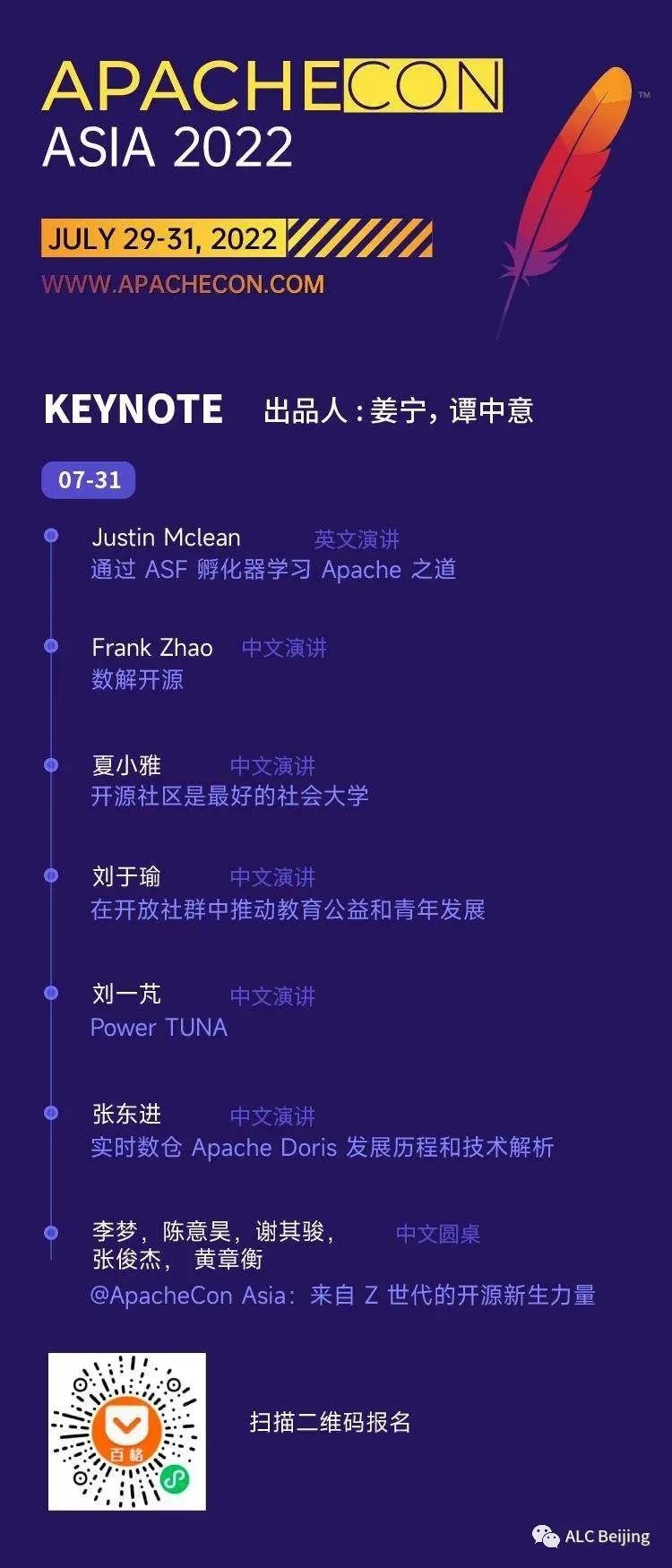
Overview of the agenda of the keynote speech of apachecon Asia, an international celebrity vs a local open source star

有一说一,阿里P7的薪资待遇是真的香
随机推荐
AI遮天传 ML-集成学习
Spark unified memory partition
ICML 2022 (Part 4) | | graph hierarchical alignment graph kernel to realize graph matching
AI sky covering DL multilayer perceptron
AI遮天传 DL-多层感知机
菜鸟 CPaaS 平台微服务治理实践
Cross site scripting attack (XSS)
9、 Alternative implementation of client for service communication
效率提升98%!高海拔光伏电站运维巡检背后的AI利器
PMP Exam details, what changes have been made to the new exam outline?
7月30号PMP考试延期后我们应该做什么?
Quartz trigger rule
drools-基础语法
Oracle第一天(开发常用的知识点再回顾整理下)
Laozi cloud and Fuxin Kunpeng achieved a major breakthrough in 3D ofd 3D format documents for the first time
贪心——455. 分发饼干
Ten year structure five year life-06 impulse to leave
如何通过学会提问,成为更加优秀的数据科学家
3、 Topic communication: create your own information format
[training Day1] Dwaves line up