当前位置:网站首页>Potential learning C language - pointer explanation (Advanced)
Potential learning C language - pointer explanation (Advanced)
2022-06-29 03:16:00 【Bitniuniu】
Advance of pointer
First, let's review the basic concepts :
1. The pointer is a variable , It's used to store the address , The address uniquely identifies a piece of memory space .
2. The size of the pointer is fixed 4/8 Bytes (32 Bit platform /64 platform ).
3. Pointers have different types , The type of pointer determines the type of pointer +- Integer step size , The permission of pointer dereference operation .
4. The operation of the pointer
Character pointer
General usage :
int main()
{
	char ch = 'w';
	char* pc = &ch;
	return 0;
}
int main()
{
char arr[] = "abcdef";
char* pc = arr;
printf("%s\n", arr);
printf("%s\n", pc);
return 0;
}int main()
{
const char* p = "abcdef";//"abcdef" Is a constant string
printf("%c\n", *p);
printf("%s\n", p);
return 0;
}What is the output of the next code :
int main()
{
	char arr1[] = "abcdef";
	char arr2[] = "abcdef";
	const char* p1 = "abcdef";
	const char* p2 = "abcdef";
	if (arr1 == arr2)
	{
		printf("hehe\n");
	}
	else
	{
		printf("haha\n");
	}
	return 0;
}
answer :haha
arr1 And arr2 Different storage addresses
What is the output value of this code ?
int main()
{
	char arr1[] = "abcdef";
	char arr2[] = "abcdef";
	const char* p1 = "abcdef";
	const char* p2 = "abcdef";
	if (p1 == p2)
	{
		printf("hehe\n");
	}
	else
	{
		printf("haha\n");
	}
	return 0;
}
answer :hehe
Constant strings cannot be modified ,p1 p2 All point to the same space ( The string is the same , Save the same address .)
When several pointers point to the same string , They actually point to the same block of memory , However, when initializing different arrays with the same constant string, different memory blocks will be opened up .
Pointer array
Pointer arrays are arrays , Used to store pointers
int main()
{
	int arr[10] = { 0 };// integer array
	char ch[5] = { 0 };// A character array
	int* parr[4];// An array of integer pointers  -  Pointer array
	char* pch[5];// An array of character pointers  -  Pointer array

	return 0;
}
application :
int main()
{
	int arr1[] = { 1,2,3,4,5 };
	int arr2[] = { 2,3,4,5,6 };
	int arr3[] = { 3,4,5,6,7 };
	int* parr[] = { arr1,arr2,arr3 };
	int i = 0;
	for (i = 0; i < 3; i++)
	{
		int j = 0;
		for (j = 0; j < 5; j++)
		{
			printf("%d", *(parr[i] + j));
		}
		printf("\n");
	}
	return 0;
}
Array pointer
int main()
{

	int* p = NULL;//p It's an integer pointer  -  Pointer to an integer  -  Can store integer addresses
	char* pc = NULL;//pc It's a character pointer  -  Pointer to character  -  An address where characters can be stored
					// Array pointer  -  Pointer to array  -  The address where the array is stored
	int arr[10] = { 0 };
	//arr -  First element address
	//&arr[0] -  First element address
	//&arr -  Address of array
	return 0;
}
int arr[10] = { 1,2,3,4,5,6,7,8,9,10 };
int (*p)[10] = &arr;//[] Is greater than *
// above p It's an array pointer practice : Make up pa The type of
int main()
{
	char* arr[5];
	pa =&arr
	return 0;
}
char*(*pa)[5] = &arr;pa The array pointed to is 5 Elements
* explain pa Is a pointer
pa The element type of the array pointed to is char*
Usage of array pointers
// Parameters are in the form of arrays
void print1(int arr[3][5], int x, int y)
{

	int i = 0;
	int j = 0;
	for (i = 0; j < y; j++)
	{
		for (j = 0; j < y; j++)
		{
			printf("%d", arr[i][j]);
		}
		printf("\n");
	}
}
// Parameters are in the form of pointers
void printf(int(*p)[5], int x, int y)
{
	int i = 0;
	for (i = 0; i < x; i++)
	{
		int j = 0;
		for (j = 0; j < y; j++)
		{
			printf("%d", *(*(p + i) + j));
		}
		printf("\n");
	}
}
int main()
{
	int arr[3][5] = { {1,2,3,4,5},{2,3,4,5,6},{3,4,5,6,7} };
	print1(arr, 3, 5);
	print2(arr, 3, 5);

	return 0;
}
int arr[5]; arr It's a 5 An integer array of elements
int* parr1[10]; parr1 Is an array , Array has 10 Elements , The type of each element is int*,parr1 Is the number of pointers Group
int(*parr2)[10]; parr2 It's a pointer , This pointer points to an array , Array has 10 Elements , Of each element The type is int - parr2 It's an array pointer
int(*parr3[10])[5]; parr3 Is an array ,parr3 It's an array name , The array has 10 Elements , Each element is a number Group pointer , The array pointed to by the array pointer is 5 Elements , Each element is int
summary :
int main()
{
	// Character pointer
	char ch = 'w';
	char* p = &ch;
	const char* p2 = "abcdef";// Pointer array  -  Array  -  An array of pointers
	int* arr[10];
	char* ch[5];
	// Array pointer  -  Pointing to the array
	//int *p3;// Integer pointer  -  Pointer to the shape
	//char* p4;// Character pointer  -  Pointing to a character
	int arr2[5];// Array
	int(*pa)[5] = &arr2;// Take the address of the array ,pa Is an array pointer

	return 0;
}
Array parameters , Pointer parameter
Array parameters
void test(int arr[3][5])
{}
void test1(int[][5])
{}
void test2(int arr[3][])//err
int main()
{
	int arr[3][5] = { 0 };
	test(arr);// Two dimensional array parameters
	test1(arr);
	test2(arr);
	return 0;
}
Two dimensional array parameters , Function parameter design can only omit the first [ ] The number of , Because for a two-dimensional array , I don't know how many lines there are , But you have to know how many elements in a row , This makes it easier to calculate .
The address of the first element of a two-dimensional array is the address of the first row of the array .
First level pointer parameter transfer
void print(int* p, int sz)
{
	int i = 0;
	for (i = 0; i < sz; i++)
	{
		printf("%dn", *(p + i));
	}
}

int main()
{
	int arr[10] = { 1, 2, 3, 4, 5, 6, 7, 8, 9 }; int* p = arr;
	int* p = arr;
	int sz = sizeof(arr) / sizeof(arr[0]);
	// First level pointer p, Pass to function
	print(p, sz);
	return 0;
}
But when the parameter part of a function is a first-order pointer , What parameters can a function accept ?
void test1(int* p)
{}
int main()
{
	int a = 10;
	test1(&a);
	test1(p1);
	return 0;
}
The secondary pointer transmits parameters
void test1(int** ptr)
{
	printf("num = %d\n", **ptr);
}
int main()
{
	int n = 10;
	int* p = &n;
	int** pp = &p;
	test(pp);
	test(&p);
	return 0;
}
void test(int**p)
{}
int main()
{
int *ptr;
int** pp = &ptr;
test(&ptr);
test(pp);
int* arr[10];
test(arr);// Pointer arrays can also
return 0;
}It can be transmitted : The address of the first level pointer , The secondary pointer variable itself , The array name of the array that holds the first level pointer
A function pointer
Array pointer - Pointer to array
A function pointer - Pointer to function - A pointer to the function address
int Add(int x, int y)
{
	int z = 0;
	z = x + y;
	return z;
}
int main()
{
	int a = 10;
	int b = 20;
	int arr[10] = { 0 };
	printf("%p\n", &Add);
	printf("%p\n", Add);
	//& Function name   and   Function name   All are the addresses of functions
	return 0;
}
int Add(int x, int y)
{
int z = 0;
z = x + y;
return z;
}
int main()
{
int a = 10;
int b = 20;
//int arr[10] = { 0 };
//int(*p)[10] = &arr;
int(*pa)(int, int) = Add;
printf("%d\n", (*pa)(2, 3));//5
return 0;
}
Look at the following two codes :
Code 1:
(*(void)(*)()0)();( void(*)() )0 ----> (*( void(*)() )0) ();
hold 0 Force type to :void(*)() Function pointer type - 0 Is the address of a function , call 0 Function at address
Code 2:
void(*signal(int, void(*)(int)))(int);void(*)(int) ----> Function pointer type
void(* )(int) ----->
analogy :int Add(int,int)
example :
//signal It's a function declaration
//signal The arguments to the function are 2 individual , The first is int type , The second is function pointers , The function pointer points to a function whose argument is int, The return type is void
//signal The return type of a function is also a function pointer , The function pointer points to a function whose argument is int, The return type is void
void (*            signal(int, void(*)(int))           )(int);

// simplify
typedef void(*pfun_t)(int);
pfun_t signal(int, pfun_t);

typedef unsigned int uint;
Function pointer array
int Add(int x, int y)
{
	return x + y;
}
int Sub(int x, int y)
{
	return x - y;
}
int Mul(int x, int y)
{
	return x * y;
}
int Div(int x, int y)
{
	return x / y;
}
int main()
{
	// Pointer array
	int* arr[5];
	// You need an array , This array can hold the addresses of four functions  -  An array of function pointers
	int(*Pa)(int, int) = Add;//Sub/Mul/Div
	int(*parr[4])(int, int)={ Add,Sub,Mul,Div};// An array of function pointers

	int i = 0;
	for (i = 0; i < 4; i++)
	{
		printf("%d\n", parr[i](2, 3));//5 -1 6 0
	}
	return 0;
}
example :
my_strcpy(char* dest, const char* src);
// Write a function pointer pf, Can point to my_strcpy
// Write an array of function pointers pfarr, Be able to store 4 individual my_strcpy Address of function
char* (*pf)(char*, const char*);
char* (*pfarr[4])(char*, const char*);
Purpose of function pointer array : Transfer table
example : Calculator :
void menu()
{
	printf("*************************\n");
	printf("***1.add         2.sub***\n");
	printf("***3.mul         4.div***\n");
	printf("***      0.exit       ***\n");
	printf("*************************\n");
}

int Add(int x, int y)
{
	return x + y;
}
int Sub(int x, int y)
{
	return x - y;
}
int Mul(int x, int y)
{
	return x * y;
}
int Div(int x, int y)
{
	return x / y;
}
int main()
{

	int input = 0;
	int x = 0;
	int y = 0;
	do
	{
		menu();
		printf(" Please select :>");
		scanf("%d",&input);
		switch (input)
		{
		case 1:
			printf(" Please enter two operands :>");
			scanf("%d%d", &x, &y);
			printf("%d\n",Add(x, y));
			break;
		case 2:
			printf(" Please enter two operands :>");
			scanf("%d%d", &x, &y);
			printf("%d\n", Sub(x, y));
			break;
		case 3:
			printf(" Please enter two operands :>");
			scanf("%d%d", &x, &y);
			printf("%d\n", Mul(x, y));
			break;
		case 4:
			printf(" Please enter two operands :>");
			scanf("%d%d", &x, &y);
			printf("%d\n", Div(x, y));
			break;

		case 0:
			printf(" sign out \n");
		default:
			printf(" Wrong choice \n");
			break;
		}
	}while(input);
	return 0;
}
reform : Use function pointer array
void menu()
{
	printf("*************************\n");
	printf("***1.add         2.sub***\n");
	printf("***3.mul         4.div***\n");
	printf("***      0.exit       ***\n");
	printf("*************************\n");
}

int Add(int x, int y)
{
	return x + y;
}
int Sub(int x, int y)
{
	return x - y;
}
int Mul(int x, int y)
{
	return x * y;
}
int Div(int x, int y)
{
	return x / y;
}
int main()
{

	int input = 0;
	int x = 0;
	int y = 0;
	int (*pfArr[5])(int, int) = { 0,Add,Sub,Mul,Div };
	do
	{
		menu();
		printf(" Please select :>");
		scanf("%d",&input);
		if (input >= 1 && input <= 4)
		{
			printf(" Please enter two operands :>");
			scanf("%d%d", &x, &y);
			int ret = pfArr[input](x, y);
			printf("%d\n", ret);
		}
		else if (input == 0)
		{
			printf(" sign out \n");
		}
		else
		{
			printf(" Wrong choice \n");
		}
	}while(input);
	return 0;
}
pfArr Is an array of function pointers
A pointer to an array of function pointers
int main()
{
	int arr[10] = { 0 };
	int(*P)[10] = &arr;// Take the address of the array
    int(*pf)(int,int);// A function pointer
	int(*pfArr[4])(int, int);//pfArr Is an array  -  An array of function pointers
    //ppfArr It's a point [ Function pointer array ] The pointer to
	int(*(*ppfArr)[4])(int, int) = &pfArr;
	//ppfArr It's an array pointer , The array that the pointer points to is 4 Elements
	// The type of each element of the array pointed to is a function pointer int(*)(int,int)

	return 0;
}
summary :
int Add(int x, int y)
{
	return x + y;
}
int main()
{
	// Pointer array
	//int* arr[10];
	// Array pointer
	//int*(*pa)[10] = &arr;
	// A function pointer
	int (*pAdd)(int, int) = Add;//&Add
	//int sum =(*pAdd)(1,2);
	//int sum =*pAdd(1,2);
	//printf("sum = %d\n",sum);
	// An array of function pointers
	int(*pArr[5])(int, int);
	// A pointer to an array of function pointers
	int(* (*pArr)[5])(int, int) = &pArr;
	return 0;
}
Callback function
A callback function is a function called through a function pointer . If you put the pointer of the function ( Address ) Pass as argument to another function , When this pointer is used to call the function it points to , We call it a callback function . The callback function is not called directly by the function's implementer , It is called by the other party when a specific event or condition occurs , Used to respond to the event or condition .
give an example :
void print(char *str)
{
	printf("hehe:%s", str);
}

void test(void(*p)(char*))
{
	printf("test\n");
	p("bit");
}
int main()
{
	test(print);
	return 0;
}
application
do
	{
		menu();
		printf(" Please select :>");
		scanf("%d",&input);
		switch (input)
		{
		case 1:
			printf(" Please enter two operands :>");
			scanf("%d%d", &x, &y);
			printf("%d\n",Add(x, y));
			break;
		case 2:
			printf(" Please enter two operands :>");
			scanf("%d%d", &x, &y);
			printf("%d\n", Sub(x, y));
			break;
		case 3:
			printf(" Please enter two operands :>");
			scanf("%d%d", &x, &y);
			printf("%d\n", Mul(x, y));
			break;
		case 4:
			printf(" Please enter two operands :>");
			scanf("%d%d", &x, &y);
			printf("%d\n", Div(x, y));
			break;

		case 0:
			printf(" sign out \n");
		default:
			printf(" Wrong choice \n");
			break;
		}
In this code
printf(" Please enter two operands :>");
scanf("%d%d", &x, &y);
There have been many times , How to use callback function to simplify code ?
 void Calc(int(*pf)(int,int))
{
	int x = 0;
	int y = 0;
	printf(" Please enter two operands :>");
	scanf("%d%d", &x, &y);
	printf("%d\n", pf(x, y));
}

 switch (input)
 {
 case 1:
	 Calc(Add);
	 break;
 case 2:
	 Calc(Sub);
	 break;
 case 3:
	 Calc(Mul);
	 break;
 case 4:
	 Calc(Div);
	 break;

 case 0:
	 printf(" sign out \n");
 default:
	 printf(" Wrong choice \n");
	 break;
Add :
int  main()
{
	int a = 10;
	int* pa = &a;
	void* p = &a;//void*  Pointer to type , Can accept any type of address
	// void*  Pointer of type cannot be dereferenced
	//void* A pointer to a type cannot be +— The operation of integers
	return 0;
}
qsort - Library function - Sort
Quick sort
The first parameter : The address of the first element of the array to be sorted
The second parameter : Number of elements of the array to be sorted
The third parameter : The size of each element of the array to be sorted - Unit is byte
Fourth parameter : It's a function pointer , Compare the addresses of the functions used by the two functions - This function is implemented by the user himself
The two arguments to the function pointer are : The addresses of the two elements to be compared
边栏推荐
- Digital twin application of smart Park Based on Web GIS aerial photography
- Jerry's watch begins to move [chapter]
- STM32L4系列单片机ADC通过内部参考电压精确计算输入电压
- Double click events and click events
- Applet view creation
- 线程池是什么老鸡?
- Basic MySQL database operations
- Nvisual helps integrators transform
- MySQL advanced SQL statement (Part 2)
- Concise words tell about technical people who must master basic IT knowledge and skills. Part 1
猜你喜欢

深入解析 Apache BookKeeper 系列:第三篇——读取原理

Solve the problem that the cursor flashes after clicking a point when measuring the distance in Allegro

The method of exporting packages of all components from existing PCBs in Altium Designer

Yyds dry inventory difference between bazel and gradle tools

18. ` BS object. Nom du noeud. Suivant Sibling ` get Brother Node

LinkedList learning

Certification training | streamnational certification training phase 2
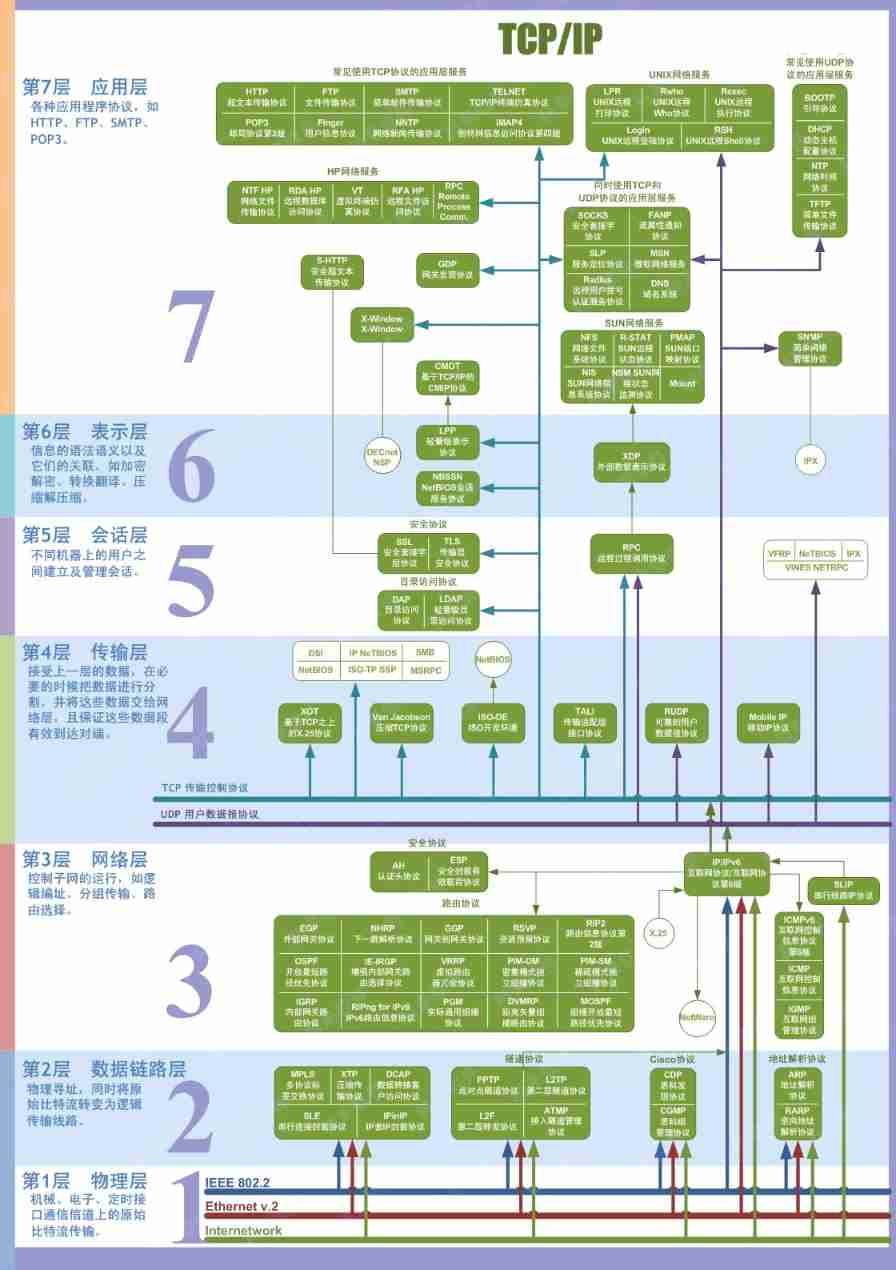
Concise words tell about technical people who must master basic IT knowledge and skills. Part 1
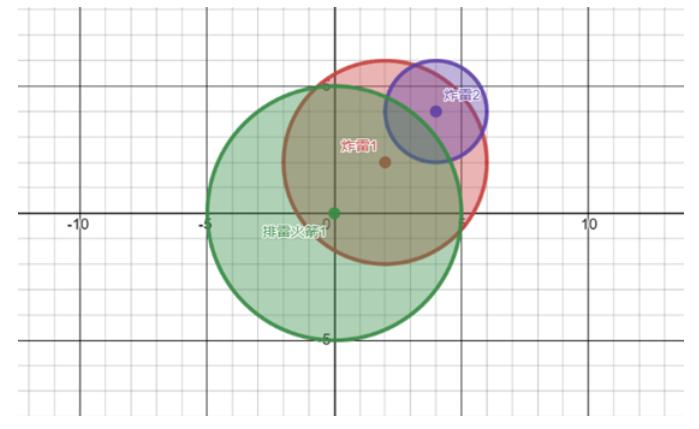
Bluebridge cup 2022 preliminaries - minesweeping
![[North Asia data recovery] data recovery case of ibm-ds3512 storage server RAID5 damaged data loss](/img/84/c8604f539db4658049406080d7f09a.jpg)
[North Asia data recovery] data recovery case of ibm-ds3512 storage server RAID5 damaged data loss
随机推荐
手机开户股票开户安全吗?开户很难么?
allegro对走好的线取消走线的方法
设备监理师证书含金量怎样?值得考吗?
2022-2028 global secondary butyl lithium industry research and trend analysis report
想当设备管理师?满足这三个报考条件就可以
Gartner“客户之声”最高分,用户体验成中国数据库一大突破口
Square root of X
How to skip time when closing a socket connection_ Wait status of wait
归并排序
初探元宇宙存储,数据存储市场下一个爆点?
How to keep source code secret in embedded development
Altium Designer中从已有的PCB中导出所有元件的封装的方法
Problem - ADB shellerror: insufficient permissions for device: verify udev rules
Map and set use pari as the key value. How to define
Problème - Ajouter shellerror: permissions d'instrumentation pour le périphérique: vérifier les règles udev.
MATALB signal processing - signal transformation (7)
Jerry's watch pause [chapter]
Is it safe to open a stock account by mobile phone? Is it difficult to open an account?
PMP Business Analysis Overview
Is it safe for qiniu school to open an account in 2022?