当前位置:网站首页>2022 Niuke multi school second problem solving Report
2022 Niuke multi school second problem solving Report
2022-07-28 08:31:00 【Wild pointer*】
D.Link with Game Glitch
Ideas : Map all items , Two points w, What is border power log(w*c/a). Then judge the negative ring , Until there is no negative ring
skill :1. The product of -> Addition and subtraction (log) 2. The binary answer on the figure 3.spfa Judge negative rings when the whole graph is disconnected
Code :
#include <bits/stdc++.h>
#define int long long
#define IOS ios::sync_with_stdio(false), cin.tie(0)
#define ll long long
#define ull unsigned long long
#define PII pair<int, int>
#define PDI pair<double, int>
#define PDD pair<double, double>
#define debug(a) cout << #a << " = " << a << endl
#define all(x) (x).begin(), (x).end()
#define mem(x, y) memset((x), (y), sizeof(x))
#define lbt(x) (x & (-x))
#define SZ(x) ((x).size())
#define inf 0x3f3f3f3f
#define INF 0x3f3f3f3f3f3f3f3f
// namespace nqio{const unsigned R = 4e5, W = 4e5; char *a, *b, i[R], o[W], *c = o, *d = o + W, h[40], *p = h, y; bool s; struct q{void r(char &x){x = a == b && (b = (a = i) + fread(i, 1, R, stdin), a == b) ? -1 : *a++;} void f(){fwrite(o, 1, c - o, stdout); c = o;} ~q(){f();}void w(char x){*c = x;if (++c == d) f();} q &operator >>(char &x){do r(x);while (x <= 32); return *this;} q &operator >>(char *x){do r(*x); while (*x <= 32); while (*x > 32) r(*++x); *x = 0; return *this;} template<typename t> q&operator>>(t &x){for (r(y),s = 0; !isdigit(y); r(y)) s |= y == 45;if (s) for (x = 0; isdigit(y); r(y)) x = x * 10 - (y ^ 48); else for (x = 0; isdigit(y); r(y)) x = x * 10 + (y ^ 48); return *this;} q &operator <<(char x){w(x);return *this;}q &operator<< (char *x){while (*x) w(*x++); return *this;}q &operator <<(const char *x){while (*x) w(*x++); return *this;}template<typename t> q &operator<< (t x) {if (!x) w(48); else if (x < 0) for (w(45); x; x /= 10) *p++ = 48 | -(x % 10); else for (; x; x /= 10) *p++ = 48 | x % 10; while (p != h) w(*--p);return *this;}}qio; }using nqio::qio;
using namespace std;
const int N = 4010, M = 1e6 + 10;
const long double eps = 1e-10;
int n, m;
int h[N], v[M], to[M], tot;
int a[N], b[N], c[N], d[N];
bool vis[N];
long double w[M], dis[N];
int cnt[N]; //cnt[x] From 1 To x The number of sides included in the shortest path of , if cnt[x]>=n, The drawer principle determines that there is a negative ring
void add(int a, int b, long double c) {
	w[++tot] = c, v[tot] = b, to[tot] = h[a], h[a] = tot;
}
bool check(long double x) {
	for (int i = 0; i <= 1500; ++i) dis[i] = 0, vis[i] = 0, h[i] = 0, cnt[i] = 0;
    tot = 0;
	for (int i = 1; i <= m; ++i) {
		long double ww = log(a[i]) - log(c[i]) - log(x);
		add(b[i], d[i], ww);
	}
	queue<int> q;
	for (int i = 1; i <= n; ++i) q.emplace(i);
	while (q.size()) {
		int x = q.front(); q.pop();
		vis[x] = 0;
		for (int i = h[x]; i; i = to[i]) {
			int y = v[i];
			long double z = w[i];
			if (dis[y] > dis[x] + z) {
				dis[y] = dis[x] + z;
				cnt[y] = cnt[x] + 1;
				if (cnt[y] >= n) return false;
				if (!vis[y]) q.emplace(y), vis[y] = 1;
			}
		}
	}
	return true;
}
signed main() {
	IOS;
	cin >> n >> m;
	for (int i = 1; i <= m; ++i) cin >> a[i] >> b[i] >> c[i] >> d[i];
	long double l = 0, r = 1;
	for (int i = 1; i <= 100; ++i) {
		long double mid = (l + r) / 2;
		if (check(mid)) l = mid;
		else r = mid;
	}
	cout << fixed << setprecision(20);
	cout << l << '\n';
}
E.Falfa with Substring
Ideas : First consider at least k individual bit The situation of , Assuming that  , Yes
, Yes  , Then set
  For there is k individual bit The situation of , So there are
  , From binomial inversion
  , Then change some convolution .( No volume qwq)
Here I'll talk about it in detail ,f(k) The way of seeking .

skill :" just "-> A class , Find a fixed k A new way .
G.Link with Monotonic Subsequence
Ideas : Construction is enough
Code :
#include <iostream>
#include <algorithm>
#include <string>
#include <cstring>
#include <cstdio>
#include <cmath>
#include <cstdlib>
#include <vector>
#include <queue>
#include <stack>
#include <set>
#include <bitset>
#include <map>
#include <unordered_map>
#include <unordered_set>
#include <time.h>
#include <assert.h>
#define IOS ios::sync_with_stdio(false), cin.tie(0)
#define int long long
#define ll long long
#define ull unsigned long long
#define PII pair<int, int>
#define PDI pair<double, int>
#define PDD pair<double, double>
#define debug(a) cout << #a << " = " << a << endl
#define all(x) (x).begin(), (x).end()
#define mem(x, y) memset((x), (y), sizeof(x))
#define lbt(x) (x & (-x))
#define SZ(x) ((x).size())
#define wtn(x) wt(x), printf("\n")
#define wtt(x) wt(x), printf(" ")
#define inf 0x3f3f3f3f
#define INF 0x3f3f3f3f3f3f3f3f
#define MOD 1000000007
#define eps 1e-8
int T = 1;
using namespace std;
inline int rd() {
    int x = 0, y = 1; char c = getchar();
    while (!isdigit(c)) { if (c == '-') y = -1; c = getchar(); }
    while (isdigit(c)) { x = (x << 3) + (x << 1) + (c ^ 48); c = getchar(); }
    return x *= y;
}
inline void wt(int x) {
    if (x < 0)x = -x, putchar('-'); ll sta[100], top = 0;
    do sta[top++] = x % 10, x /= 10; while (x);
    while (top) putchar(sta[--top] + '0');
}
void solve() {
	int n = rd(), block = ceil(sqrt(n));
	for (int i = 1; i * block <= n; ++i)
		for (int j = i * block; j >= (i - 1) * block + 1; --j) wtt(j);
	int k = n / block;
	for (int i = n; i >= k * block + 1; --i) wtt(i);
	puts("");
}
signed main() {
	// IOS;
	// cin >> T;
	T = rd();
	for (int i = 1; i <= T; ++i) { solve();}
}
J.Link with Arithmetic Progression
Ideas : Linear regression , Pay attention to precision
Code :
#include <bits/stdc++.h>
#define IOS ios::sync_with_stdio(false), cin.tie(0)
#define int long long
#define ll long long
#define ull unsigned long long
#define PII pair<int, int>
#define PDI pair<double, int>
#define PDD pair<double, double>
#define debug(a) cout << #a << " = " << a << endl
#define all(x) (x).begin(), (x).end()
#define mem(x, y) memset((x), (y), sizeof(x))
#define lbt(x) (x & (-x))
#define SZ(x) ((x).size())
#define wtn(x) wt(x), printf("\n")
#define wtt(x) wt(x), printf(" ")
#define inf 0x3f3f3f3f
#define INF 0x3f3f3f3f3f3f3f3f
#define MOD 1000000007
#define eps 1e-8
int T = 1;
using namespace std;
inline int rd() {
    int x = 0, y = 1; char c = getchar();
    while (!isdigit(c)) { if (c == '-') y = -1; c = getchar(); }
    while (isdigit(c)) { x = (x << 3) + (x << 1) + (c ^ 48); c = getchar(); }
    return x *= y;
}
inline void wt(int x) {
    if (x < 0)x = -x, putchar('-'); ll sta[100], top = 0;
    do sta[top++] = x % 10, x /= 10; while (x);
    while (top) putchar(sta[--top] + '0');
}
const int N = 1e6 + 10;
int n;
long double x[N], y[N], xy[N], d[N], dd[N], s[N];
void solve() {
	long double b, a, avrx = 0, avry = 0, sumx = 0, sumy = 0;
// 	n = rd();
    cin >> n;
	for (int i = 1; i <= n; ++i) cin >> y[i], sumx += i, sumy += y[i];
	avrx = sumx / n, avry = sumy / n;
	long double sumxy = 0, sumxx = 0;
	for (int i = 1; i <= n; ++i) sumxy += i * y[i], sumxx += i * i;
	b = (sumxy - n * avrx * avry) / (sumxx - n * avrx * avrx);
	a = avry - b * avrx;
	long double ans = 0;
	for (int i = 1; i <= n; ++i) {
		long double x = b * i + a - y[i];
		ans += x * x;
	}
    cout << fixed << setprecision(20);
	cout << ans << endl;
}
signed main() {
	IOS;
	cin >> T;
	for (int i = 1; i <= T; ++i) { solve();}
}
K.Link with Bracket Sequence I
Ideas :f[i][j][k] Before presentation i individual b The string matches the previous j individual a character string , There is still left k The left parentheses do not match
f[i][j][k] -> f[i+1][j+(s[j+1]=='(')][k+1]
f[i][j][k] -> f[i+1][j+(s[j+1]==')')][k-1]
skill : Two sequences ->lcs
Code :
#include <bits/stdc++.h>
#define int long long
#define IOS ios::sync_with_stdio(false), cin.tie(0)
#define ll long long
#define ull unsigned long long
#define PII pair<int, int>
#define PDI pair<double, int>
#define PDD pair<double, double>
#define debug(a) cout << #a << " = " << a << endl
#define all(x) (x).begin(), (x).end()
#define mem(x, y) memset((x), (y), sizeof(x))
#define lbt(x) (x & (-x))
#define SZ(x) ((x).size())
#define inf 0x3f3f3f3f
#define INF 0x3f3f3f3f3f3f3f3f
namespace nqio{const unsigned R = 4e5, W = 4e5; char *a, *b, i[R], o[W], *c = o, *d = o + W, h[40], *p = h, y; bool s; struct q{void r(char &x){x = a == b && (b = (a = i) + fread(i, 1, R, stdin), a == b) ? -1 : *a++;} void f(){fwrite(o, 1, c - o, stdout); c = o;} ~q(){f();}void w(char x){*c = x;if (++c == d) f();} q &operator >>(char &x){do r(x);while (x <= 32); return *this;} q &operator >>(char *x){do r(*x); while (*x <= 32); while (*x > 32) r(*++x); *x = 0; return *this;} template<typename t> q&operator>>(t &x){for (r(y),s = 0; !isdigit(y); r(y)) s |= y == 45;if (s) for (x = 0; isdigit(y); r(y)) x = x * 10 - (y ^ 48); else for (x = 0; isdigit(y); r(y)) x = x * 10 + (y ^ 48); return *this;} q &operator <<(char x){w(x);return *this;}q &operator<< (char *x){while (*x) w(*x++); return *this;}q &operator <<(const char *x){while (*x) w(*x++); return *this;}template<typename t> q &operator<< (t x) {if (!x) w(48); else if (x < 0) for (w(45); x; x /= 10) *p++ = 48 | -(x % 10); else for (; x; x /= 10) *p++ = 48 | x % 10; while (p != h) w(*--p);return *this;}}qio; }using nqio::qio;
using namespace std;
const int N = 1e6 + 10, MOD = 1e9 + 7;
char s[N];
int n, m, f[210][210][210];
//f[i][j][k] Before presentation i individual b The string matches the previous j individual a character string , There is still left k The left parentheses do not match
//f[i][j][k] -> f[i+1][j+(s[j+1]=='(')][k+1]
//f[i][j][k] -> f[i+1][j+(s[j+1]==')')][k-1]
//
void solve() {
	qio >> n >> m >> s + 1;
	for (int i = 0; i <= m; ++i)
		for (int j = 0; j <= n; ++j)
			for (int k = 0; k <= m; ++k) f[i][j][k] = 0;
	f[0][0][0] = 1;
	for (int i = 0; i <= m; ++i)
		for (int j = 0; j <= min(i, n); ++j)
			for (int k = 0; k <= i; ++k) {
				(f[i + 1][j + (s[j + 1] == '(')][k + 1] += f[i][j][k]) %= MOD;
				if (k) (f[i + 1][j + (s[j + 1] == ')')][k - 1] += f[i][j][k]) %= MOD;
			}
	qio << f[m][n][0] << "\n";
}
signed main() {
	int T;
	qio >> T;
	while (T--) solve();
}
L.Link with Level Editor I
Ideas : Drawing (i, u) -> (i + 1, v), then dp, f[i][j] It means to arrive at the third i The first in the world j What's the largest world in a point
Code :
#include <bits/stdc++.h>
#define int long long
#define IOS ios::sync_with_stdio(false), cin.tie(0)
#define ll long long
#define ull unsigned long long
#define PII pair<int, int>
#define PDI pair<double, int>
#define PDD pair<double, double>
#define debug(a) cout << #a << " = " << a << endl
#define all(x) (x).begin(), (x).end()
#define mem(x, y) memset((x), (y), sizeof(x))
#define lbt(x) (x & (-x))
#define SZ(x) ((x).size())
#define inf 0x3f3f3f3f
#define INF 0x3f3f3f3f3f3f3f3f
namespace nqio{const unsigned R = 4e5, W = 4e5; char *a, *b, i[R], o[W], *c = o, *d = o + W, h[40], *p = h, y; bool s; struct q{void r(char &x){x = a == b && (b = (a = i) + fread(i, 1, R, stdin), a == b) ? -1 : *a++;} void f(){fwrite(o, 1, c - o, stdout); c = o;} ~q(){f();}void w(char x){*c = x;if (++c == d) f();} q &operator >>(char &x){do r(x);while (x <= 32); return *this;} q &operator >>(char *x){do r(*x); while (*x <= 32); while (*x > 32) r(*++x); *x = 0; return *this;} template<typename t> q&operator>>(t &x){for (r(y),s = 0; !isdigit(y); r(y)) s |= y == 45;if (s) for (x = 0; isdigit(y); r(y)) x = x * 10 - (y ^ 48); else for (x = 0; isdigit(y); r(y)) x = x * 10 + (y ^ 48); return *this;} q &operator <<(char x){w(x);return *this;}q &operator<< (char *x){while (*x) w(*x++); return *this;}q &operator <<(const char *x){while (*x) w(*x++); return *this;}template<typename t> q &operator<< (t x) {if (!x) w(48); else if (x < 0) for (w(45); x; x /= 10) *p++ = 48 | -(x % 10); else for (; x; x /= 10) *p++ = 48 | x % 10; while (p != h) w(*--p);return *this;}}qio; }using nqio::qio;
using namespace std;
const int N = 1e4 + 10, M = 2e3 + 10;
//f[i][j] It means to arrive at the third i The third in the world j The world with the largest number of points
int n, m;
signed main() {
	qio >> n >> m;
	vector<int> f(m + 1, -1);
	int ans = INF;
	for (int i = 1; i <= n; ++i) {
		int l;
		qio >> l;
		auto nf = f;
		f[1] = i;
		while (l--) {
			int u, v;
			qio >> u >> v;
			nf[v] = max(nf[v], f[u]);
			if (v == m && nf[v] != -1) ans = min(ans, i - nf[v] + 1);
		}
		f.swap(nf);
	}
	qio << (ans >= INF / 2 ? -1 : ans) << '\n';
}边栏推荐
- DCL singleton mode
- 03 | project deployment: how to quickly deploy a website developed based on the laravel framework
- Draw.io image saving path settings
- How to write a JMeter script common to the test team
- Deep browser rendering principles
- Tell you step by step what you need to do to apply for PMP? What should I do?
- UE4 engine customizes screenpass and MRT output
- OSPF comprehensive experiment (7.12)
- See how Google uses pre training weights in target detection tasks | CVPR 2022
- [chart component kit] Shanghai daoning provides developers with steema download, trial and tutorial
猜你喜欢

2022牛客多校第一场解题报告

Matlab file path
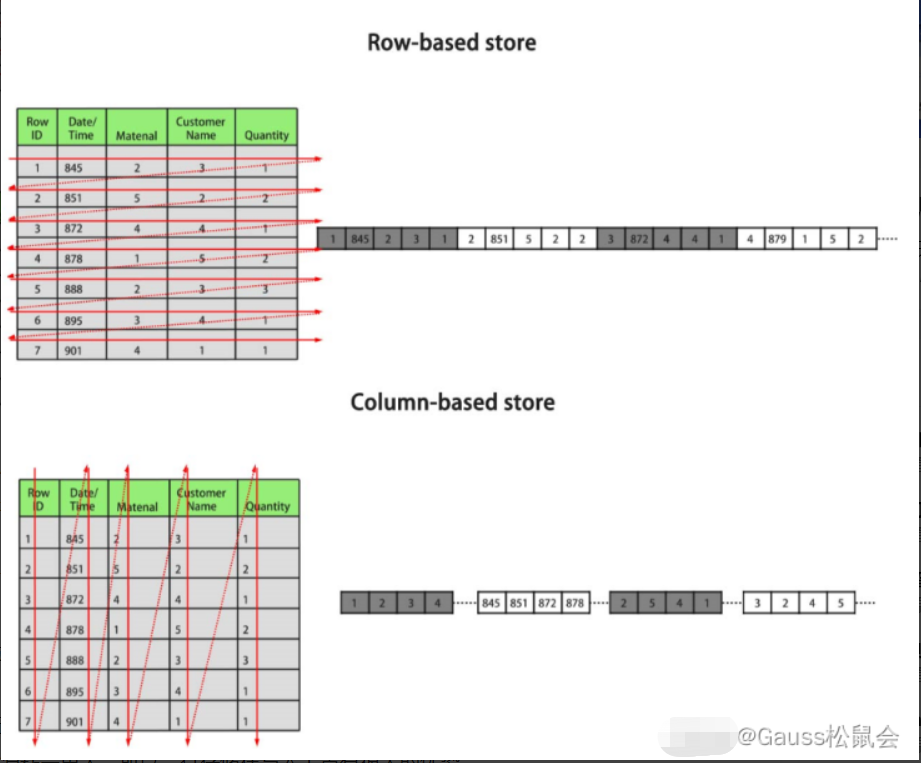
聊一聊数据库的行存与列存

Puzzle (004.3) pattern puzzle

Prescan quick start to master the road elements of lecture 15

Common solutions for distributed ID - take one

百度智能云九州区县大脑,描绘城乡新蓝图!

【13】 Adder: how to build a circuit like Lego (Part 1)?

解决CNN固有缺陷!通用 CNN 架构CCNN来了| ICML2022
No super high-rise buildings | new regulations: what information does it reveal that no new buildings above 500 meters should be built?
随机推荐
MPLS -- multi protocol label switching technology
Meituan Er Mian: why does redis have sentinels?
解决EMC、EMI传导干扰的八大方法
一键开关机电路
Mechanical revolution Jiaolong P wired network card driver can't play
Common solutions for distributed ID - take one
leetcode/数组中和为0的三个不同数
Enum class
Can the variable modified by final be modified
Get the clicked line number in qtablewidget
Usage of qgroupbox
What if the computer file cannot be deleted?
Lecture notes a utility for everyone to generate PCG
sql server时间字段排序
Usage of constructors
Deluxe H5 Tetris game source code
DCL singleton mode
Can a flinksql script write insert statements for two tables?
New generation cloud native message queue (II)
CarSim simulation quick start (XII) - Driver Model (2)