当前位置:网站首页>Practical demonstration: how can the production research team efficiently build the requirements workflow?
Practical demonstration: how can the production research team efficiently build the requirements workflow?
2022-07-05 20:12:00 【Everything ones】

Requirements are the premise and foundation of software development . Last time , We introduce to you 「 How to be in ONES Complete requirements collection and splitting 」.
today , We will take you in-depth understanding How to efficiently manage the collected requirements , and stay ONES Configure requirements workflow in .

How to conduct demand analysis ?
The purpose of requirement analysis is to achieve a common understanding of requirement information between developers and users , The contents to be analyzed include :
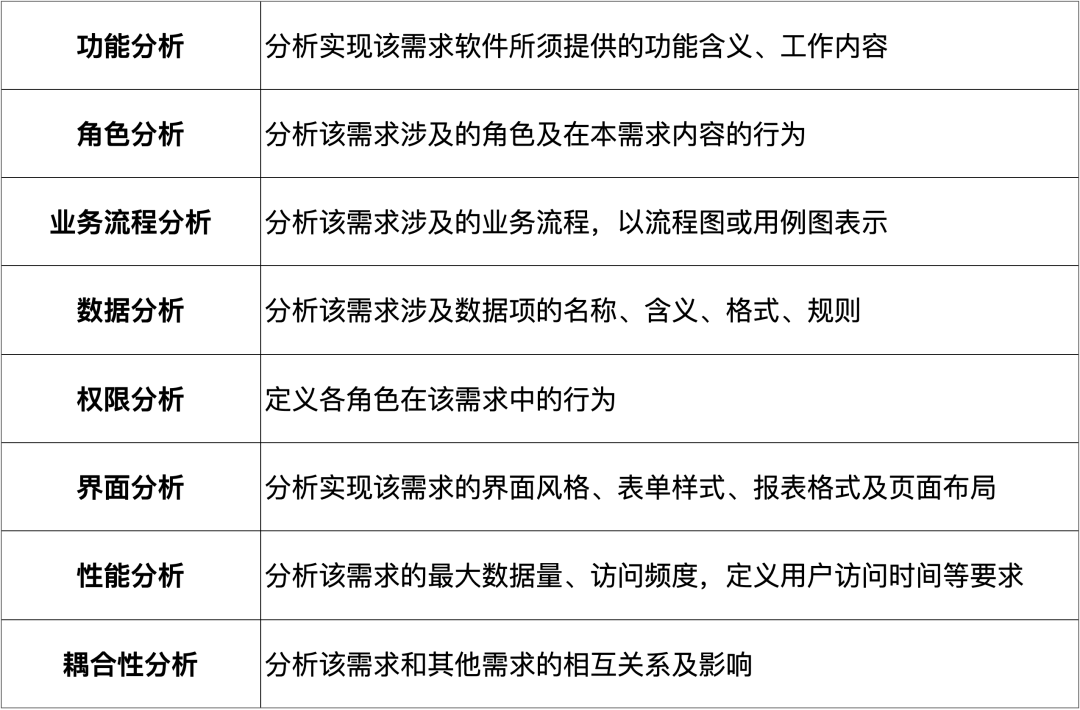
The analysis of requirements is not in place , It may lead to different roles' understanding of requirements 、 Requirements change frequently , Problems such as inability to estimate demand , Bring negative impact to the project and team .
The product owner can be in ONES Wiki Writing requirements analysis documents , And in ONES Project Create a new Association Wiki page , Get through 「 project management - Knowledge precipitation 」 R & D management tool chain , Deeply associate work item data with document data .
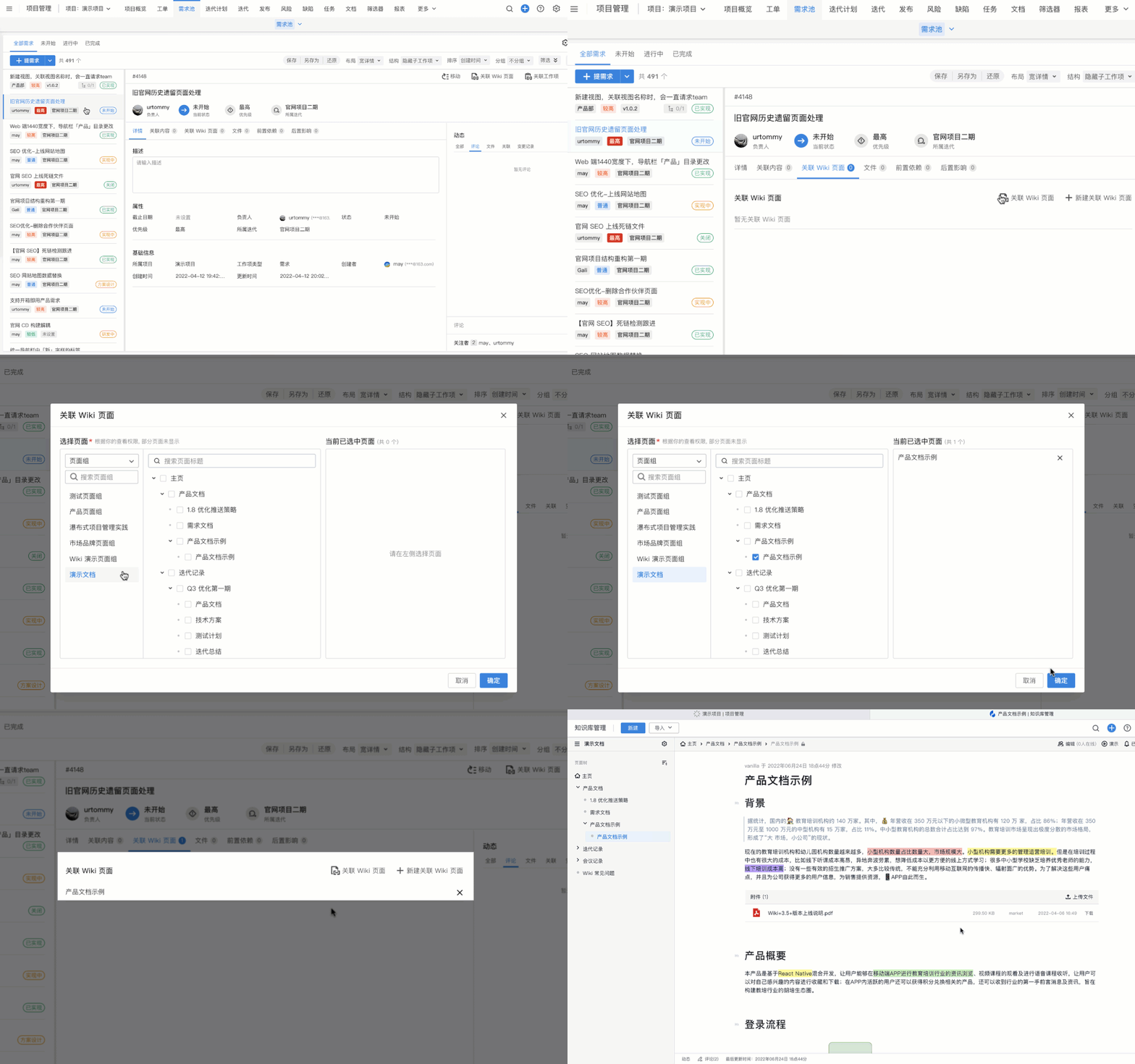
ONES It supports associating requirements with requirements documents

How to define requirements ?
The definition of requirements involves many aspects , If unique ID 、 Source of demand 、 person in charge 、 Type of demand 、 Risk level, etc , besides , It also needs to focus on the prioritization of requirements and acceptance criteria .
1. How to prioritize requirements ?
Sorting the backlog of requirements is one of the most important responsibilities of the product owner , No priority , The team cannot work normally . Here are three common methods of prioritization .
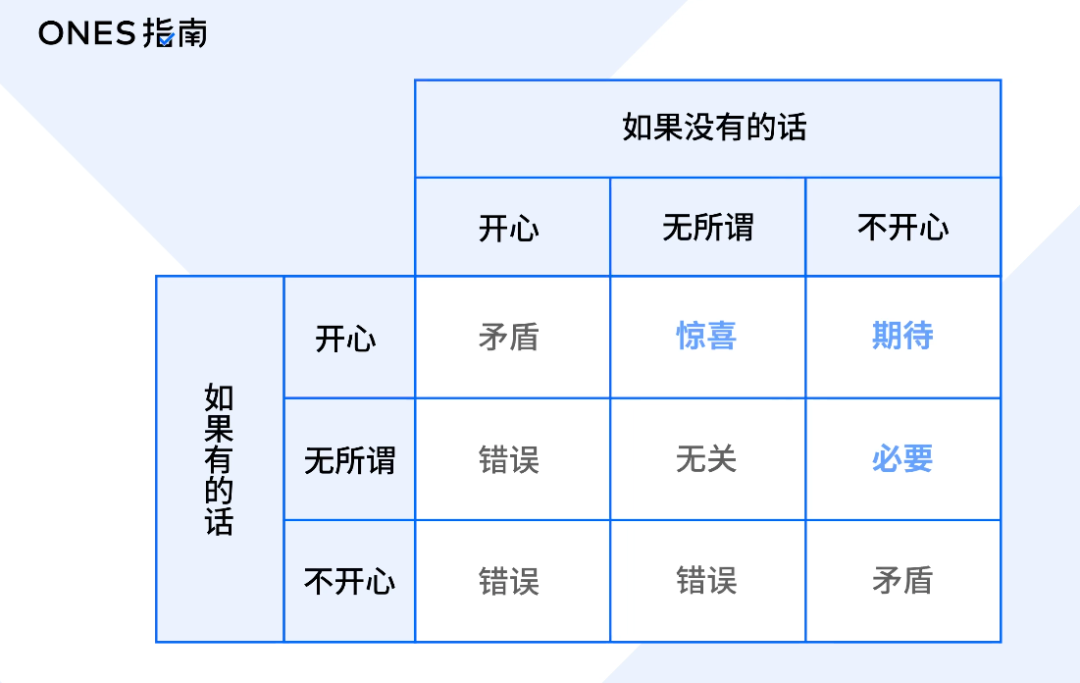
(1)KANO analysis
KANO The model was invented by Jizhao Sakano, a professor at Tokyo Institute of Technology , By analyzing user satisfaction , Divide product requirements into basic requirements 、 Expected demand 、 There are three types of exciting needs .
Take commuting as an example , Taking the subway is a basic requirement , Taking a taxi is an expectation demand , It's exciting to have people pick you up every day . thus it can be seen , Basic requirements should be prioritized , Expectant demand ranks second , And exciting demand comes last . In the process of R & D , We can also determine the priority of requirements according to this idea .
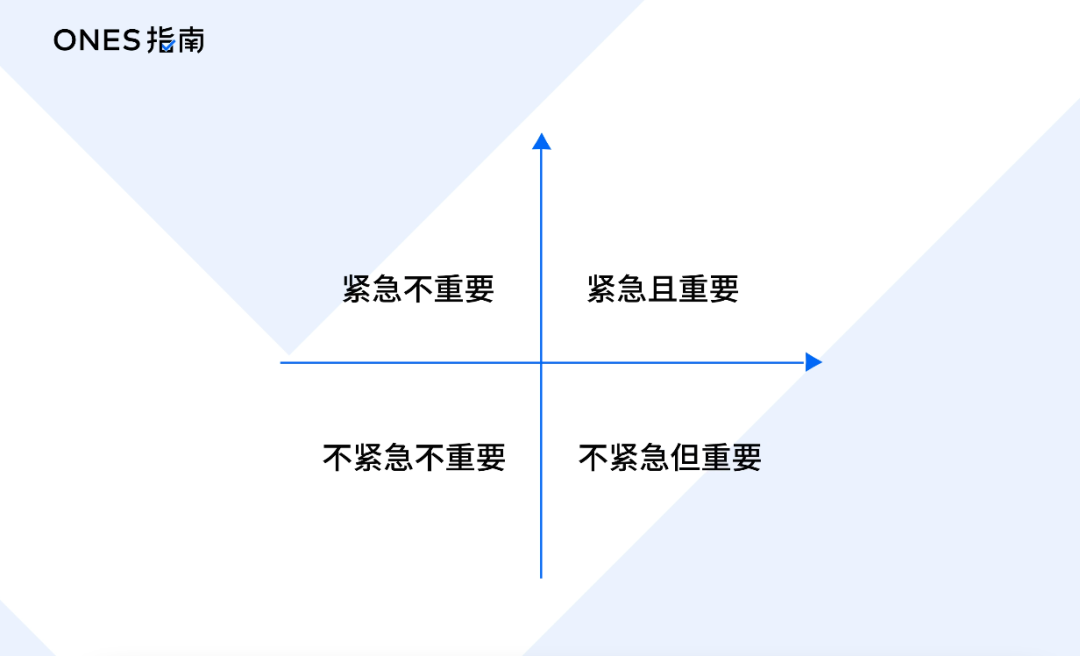
(2) Four quadrant rule
The four quadrant rule is also called matrix analysis , The first quadrant is important and urgent , The second quadrant is emergency and unimportant , The third quadrant is neither important nor urgent , The fourth quadrant is important and not urgent .
We can put all the needs into the corresponding quadrants according to their importance and urgency , Prioritize product iteration plans .
(3)MoSCoW Law
MoSCoW Law It is the scope defined in project management 、 Determine the functional quality 、 Tools and rules commonly used in change management , Help users 、 The project manager and other stakeholders reach a consensus on the importance and urgency of the needs .MoSCoW The law divides requirements into four categories :
There has to be (Must have): Without these features , It is impossible to complete product delivery or service release .
Ought to have (Should have): Clear function and high priority , But its lack will not cause disaster to the product .
There can be (Could have): There are enough resources or time to do , But it is not absolutely necessary for success .
There will be no (Won't have):「 There will be no 」 Do not represent 「 This demand is not worth considering , It will never contain 」, It is 「 Will not be included in this version 」, This may be caused by insufficient development resources .
2. Why set the acceptance criteria for requirements ?
(1) Contribute to a consistent understanding of requirements
Quantitative description can effectively reduce misunderstandings in communication , such as : stay 90% Under the circumstances , The engineer will be in 15 Get the engineering plan generated by the software system within seconds .
(2) It helps to confirm the requirements
Eliminating the ambiguity of requirements helps to reach a consensus understanding of requirements , Make requirement confirmation easier .
(3) It helps to verify the realization of requirements
The verification of requirements implementation is usually carried out through testing . When writing test cases , We need to give the expected results 、 Test cases of valid input data and invalid input data .
3. How to write the acceptance standard ?
If the requirements have no acceptance criteria, they will be put into development , It may introduce a lot of potential defects into the project , Bring huge risks .

Demand is 「 The product will record the readings of the weather station .」
The acceptance criteria are : The readings recorded by the weather station are consistent with those sent by the weather station .
Demand is 「 Fast enough to respond , To avoid interrupting the user's thinking .」
The acceptance criteria are : stay 95% Under the circumstances , The response time will not exceed 1.5 second , In other cases, no more than 4 second .
stay ONES in , We can Use sub inspection items to set acceptance criteria for requirements .
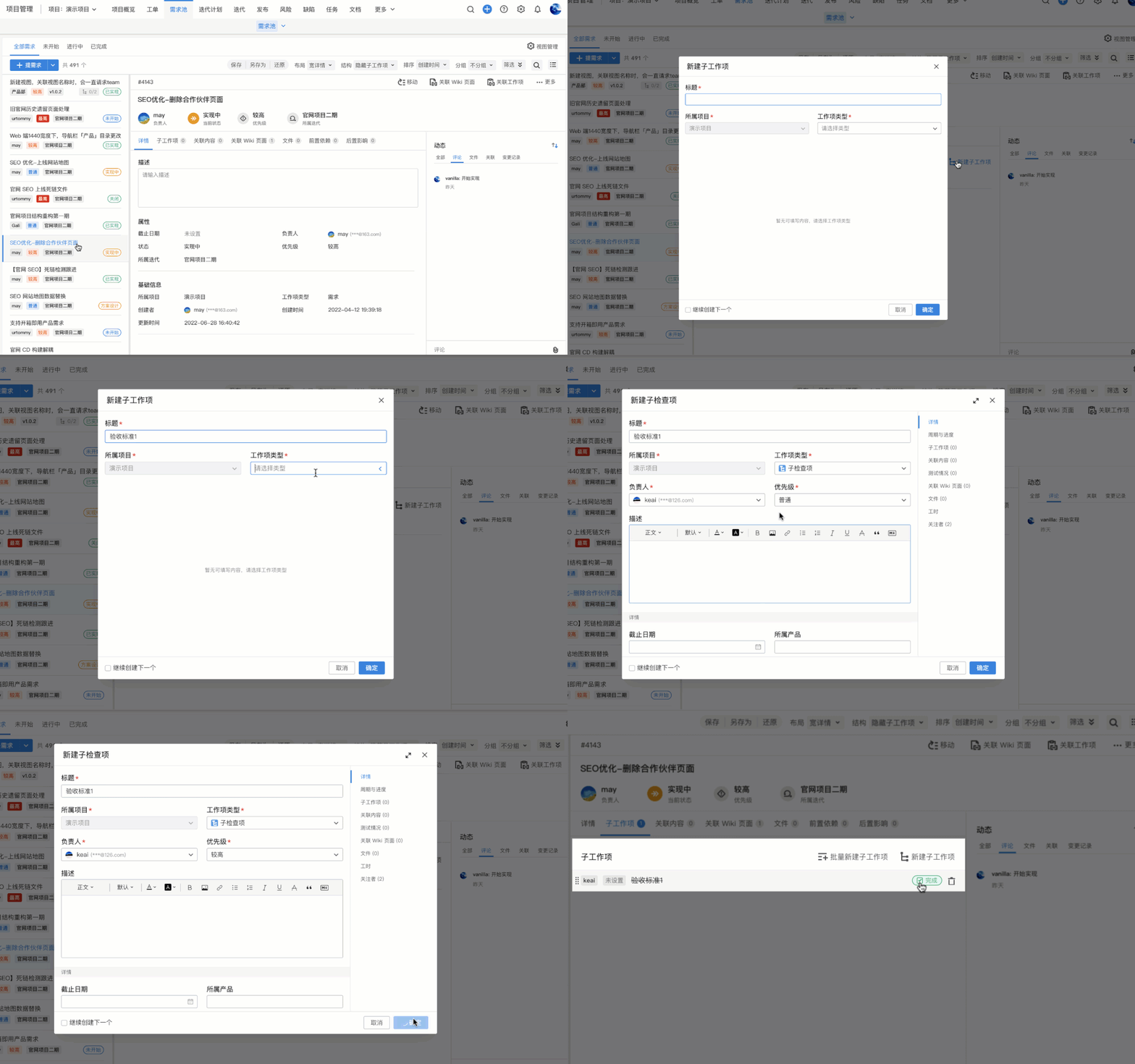
ONES Support the creation of sub work items

How to build requirements workflow ?
According to the project type and team situation , The product owner can be in ONES Customize the requirements workflow in , Give Way The process is both normative and flexible , So as to effectively monitor the progress of requirements .
1. How to be in ONES Configure workflow in the system ?
First step , stay 「 Configuration center 」-「 Project management configuration 」 Set in , Add work item status , Such as 「 Product acceptance 」, At the same time, define its state type .
The second step , Find the type to edit in the work item type list , Click on 「 Work item workflow 」 Add state .
The third step , Sort the status , Add the status to the appropriate place in the process .
Step four , Use tabular view , You can quickly edit the process , For example, the demand can be from 「 In the implementation 」 Change to 「 Product acceptance 」.
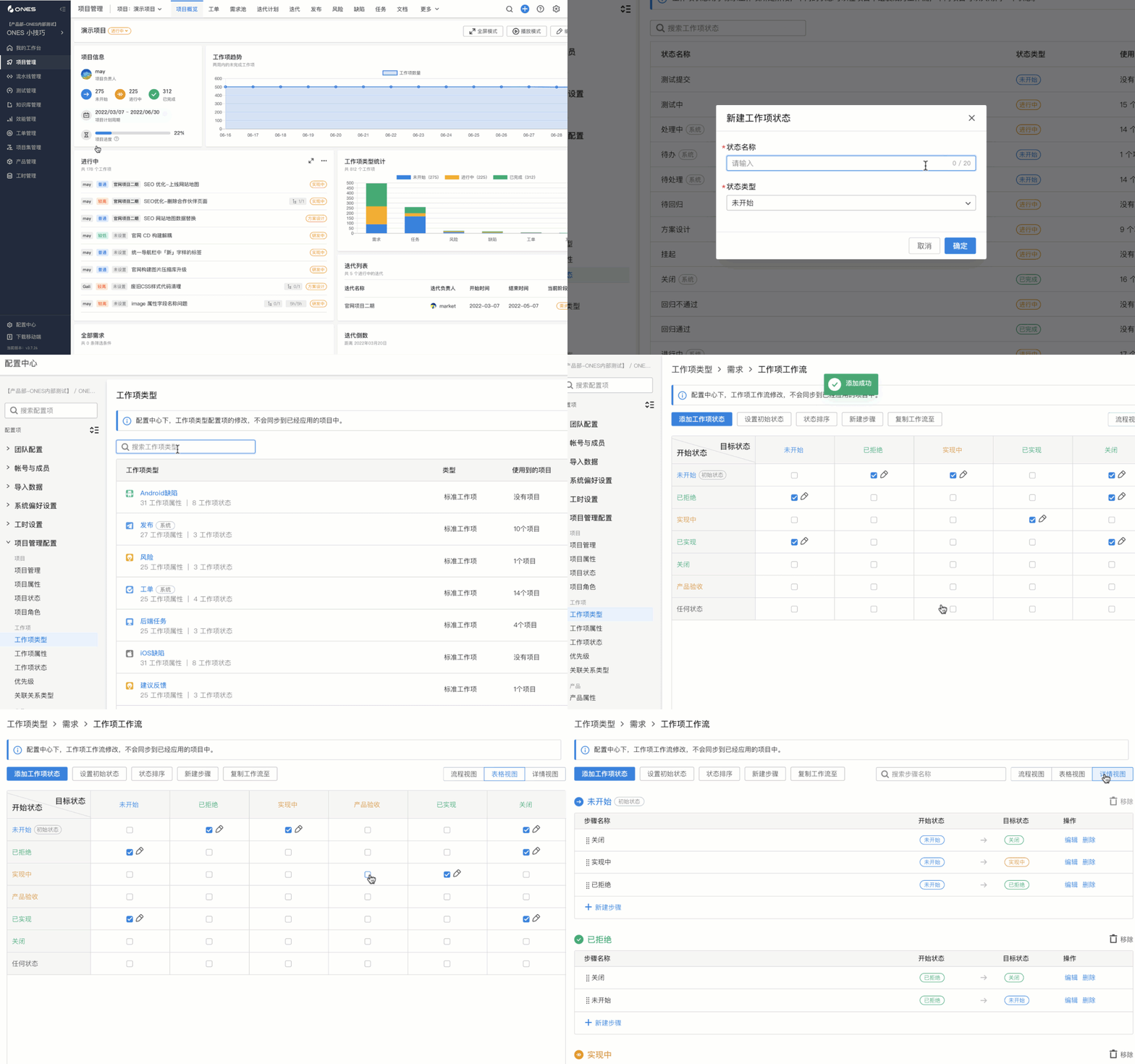
ONES Support custom workflow
After editing , We can also copy this process to other projects as needed .
meanwhile ,ONES It also supports adding step verification 、 Verify step properties and post actions , Improve the security and automation of demand flow .
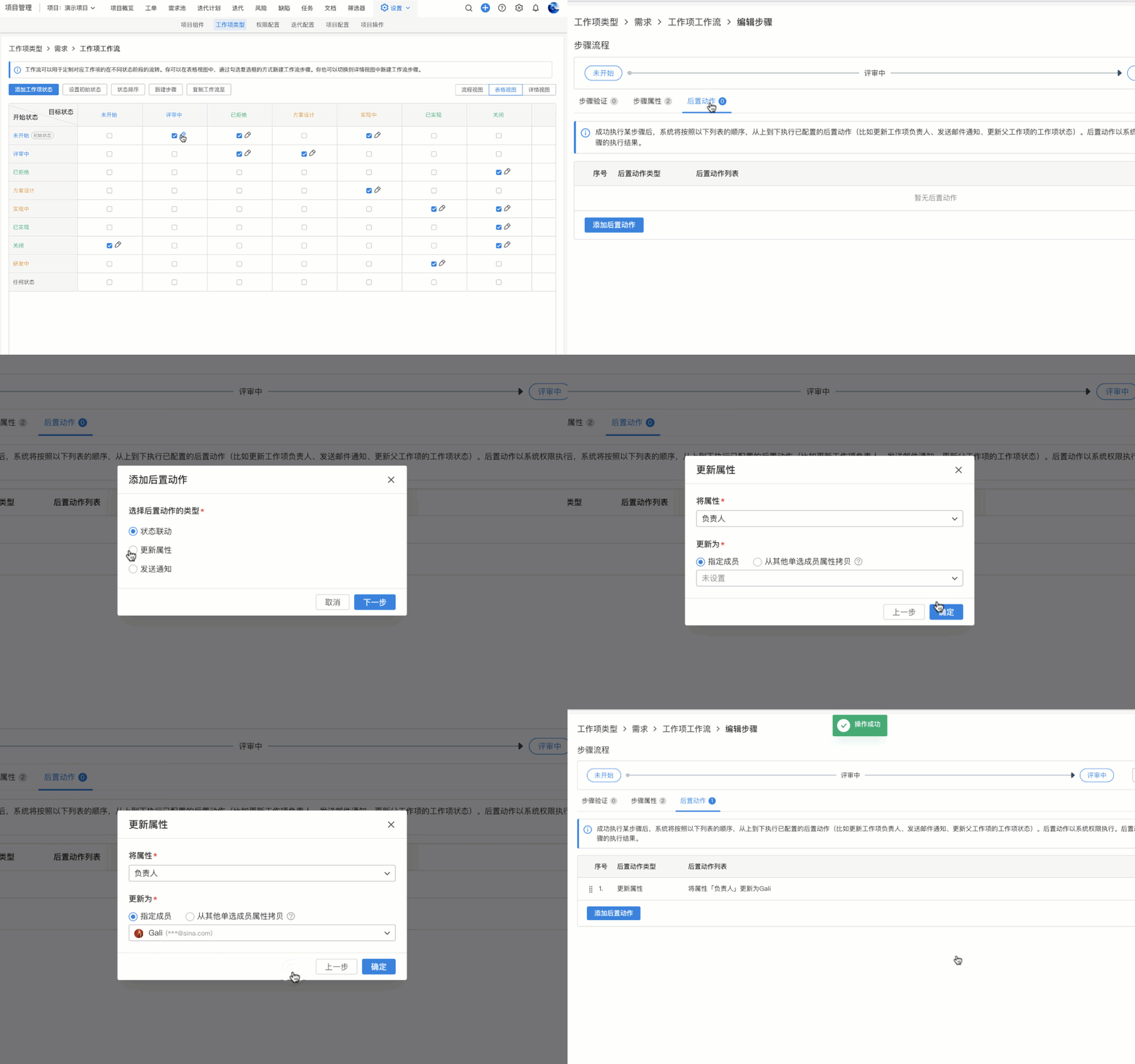
ONES Support configuration of post action

How to manage the list of requirements ?
For medium and large projects ,ONES The filter and view management function of can help the product owner or project manager to be efficient 、 Manage the list of requirements flexibly , Get the data you need quickly .
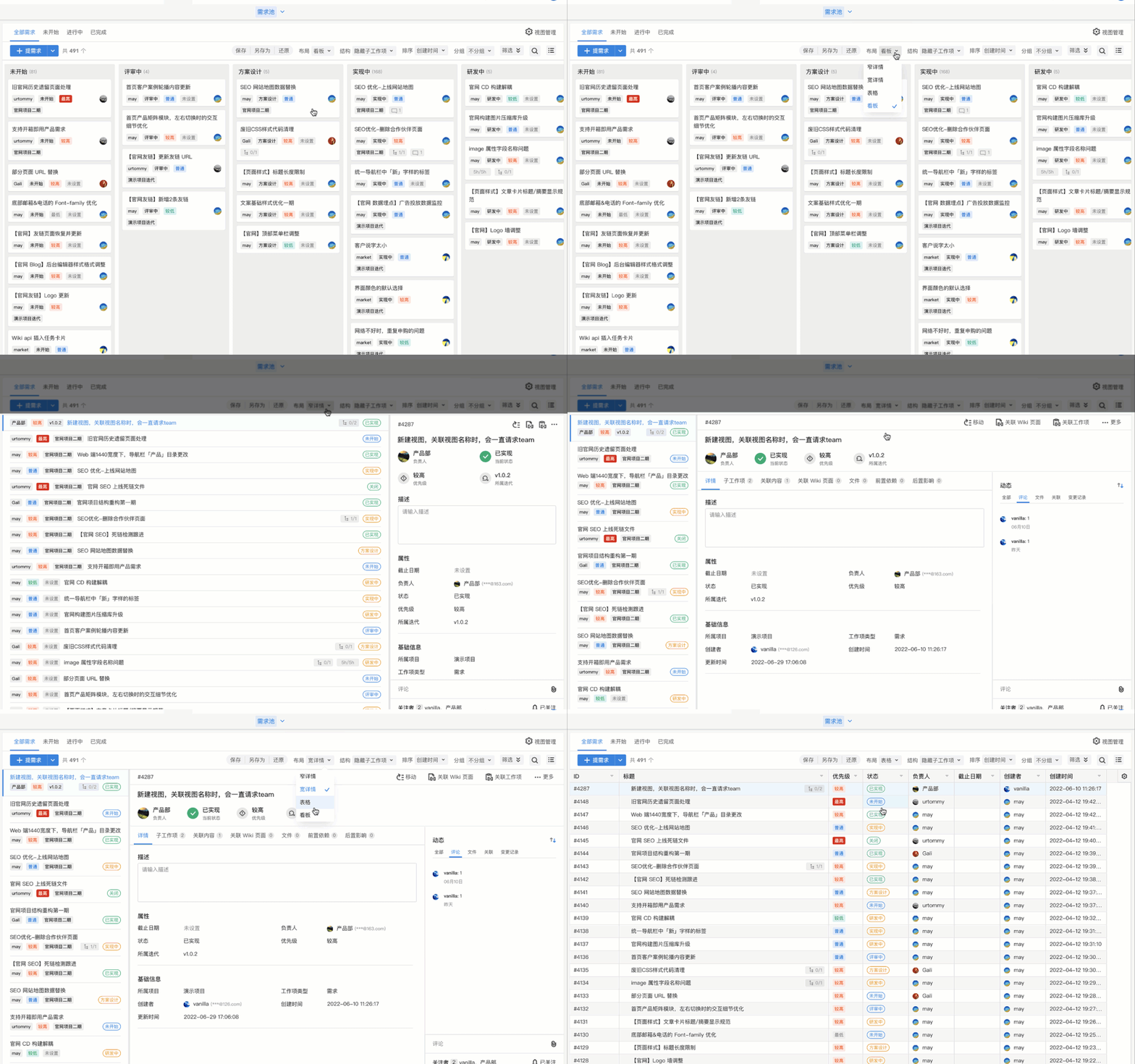
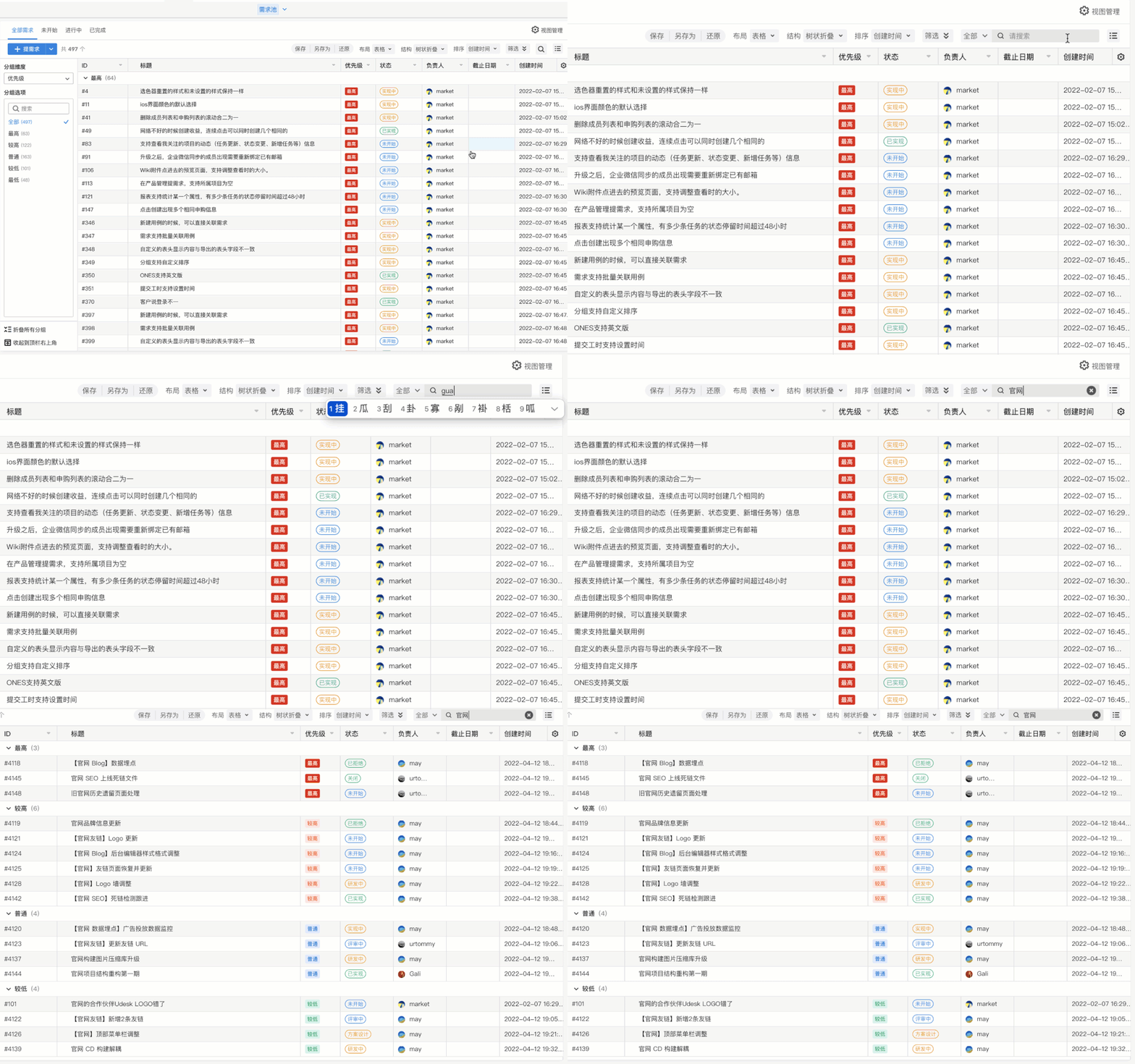
1. Requirements list layout
ONES Kanban layout is provided 、 Narrow details and wide details 、 Table layout four layout methods .
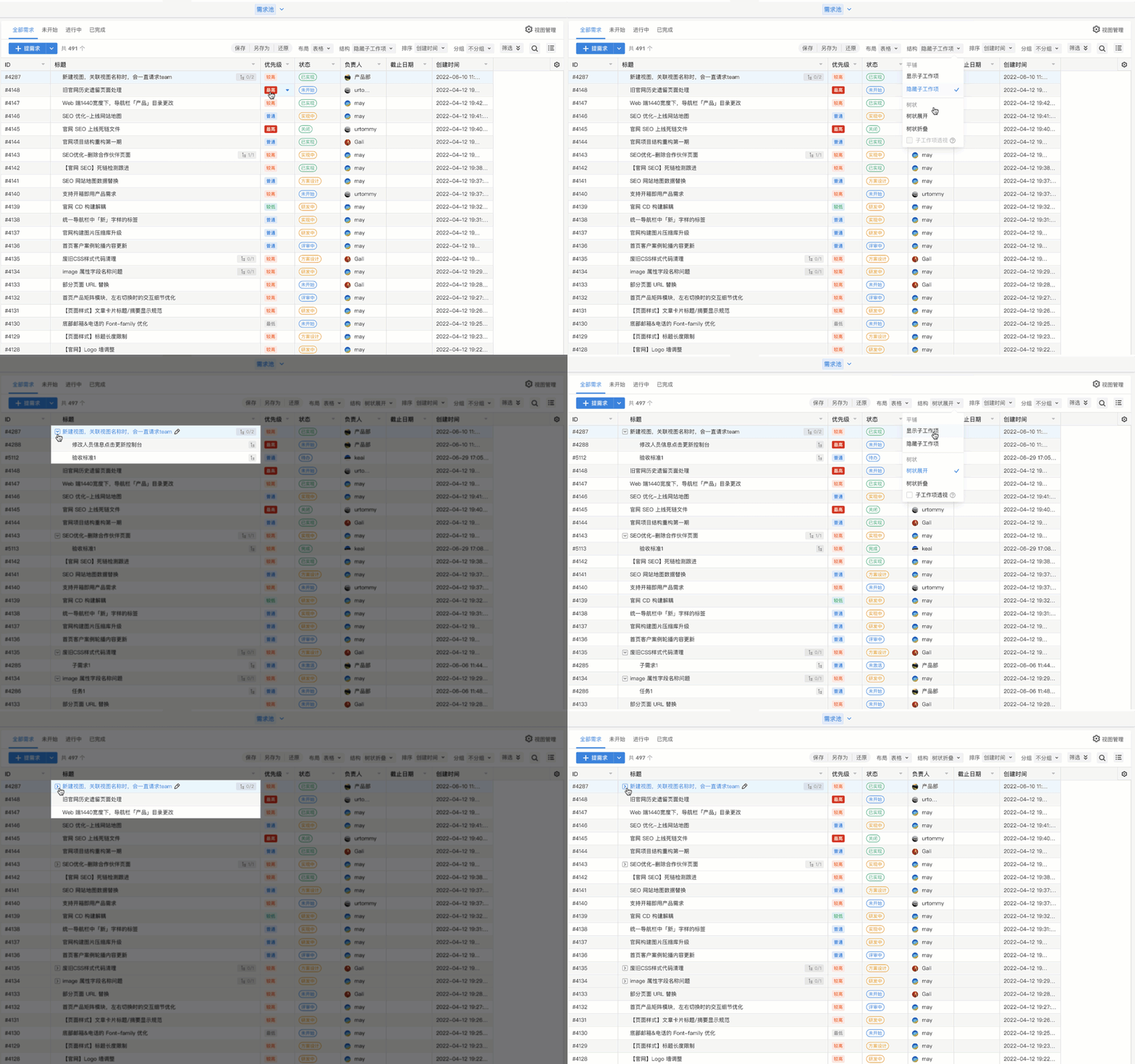
2. Requirements list structure
Under the table layout , You can choose tree expansion or tree collapse , Make the parent-child work item relationship more clear .
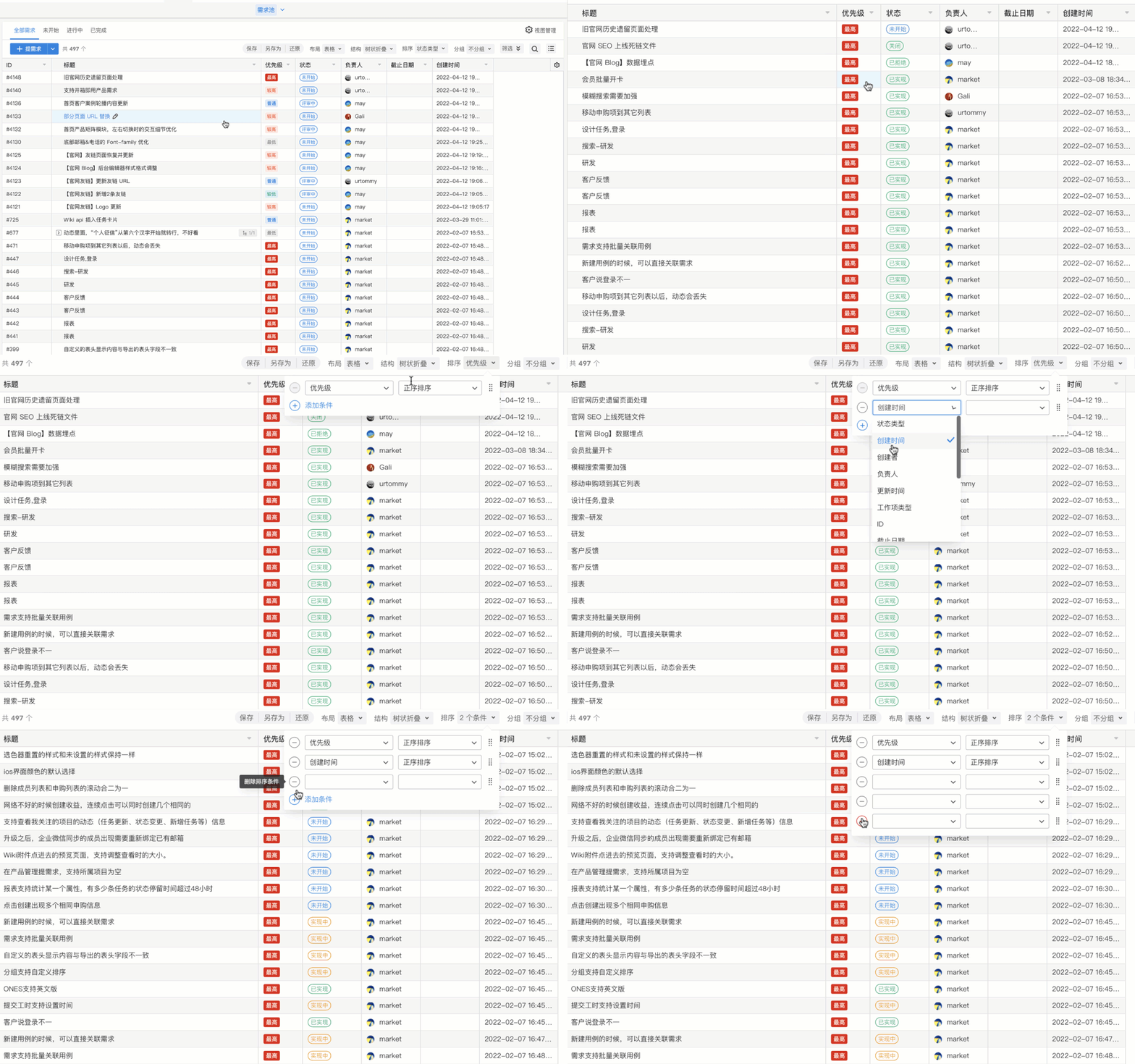
3. Requirements list sorting
With the same priority ,ONES Press... At most 5 Comprehensive sorting of conditions , Ensure that the highest priority requirements are displayed at the top of the list .
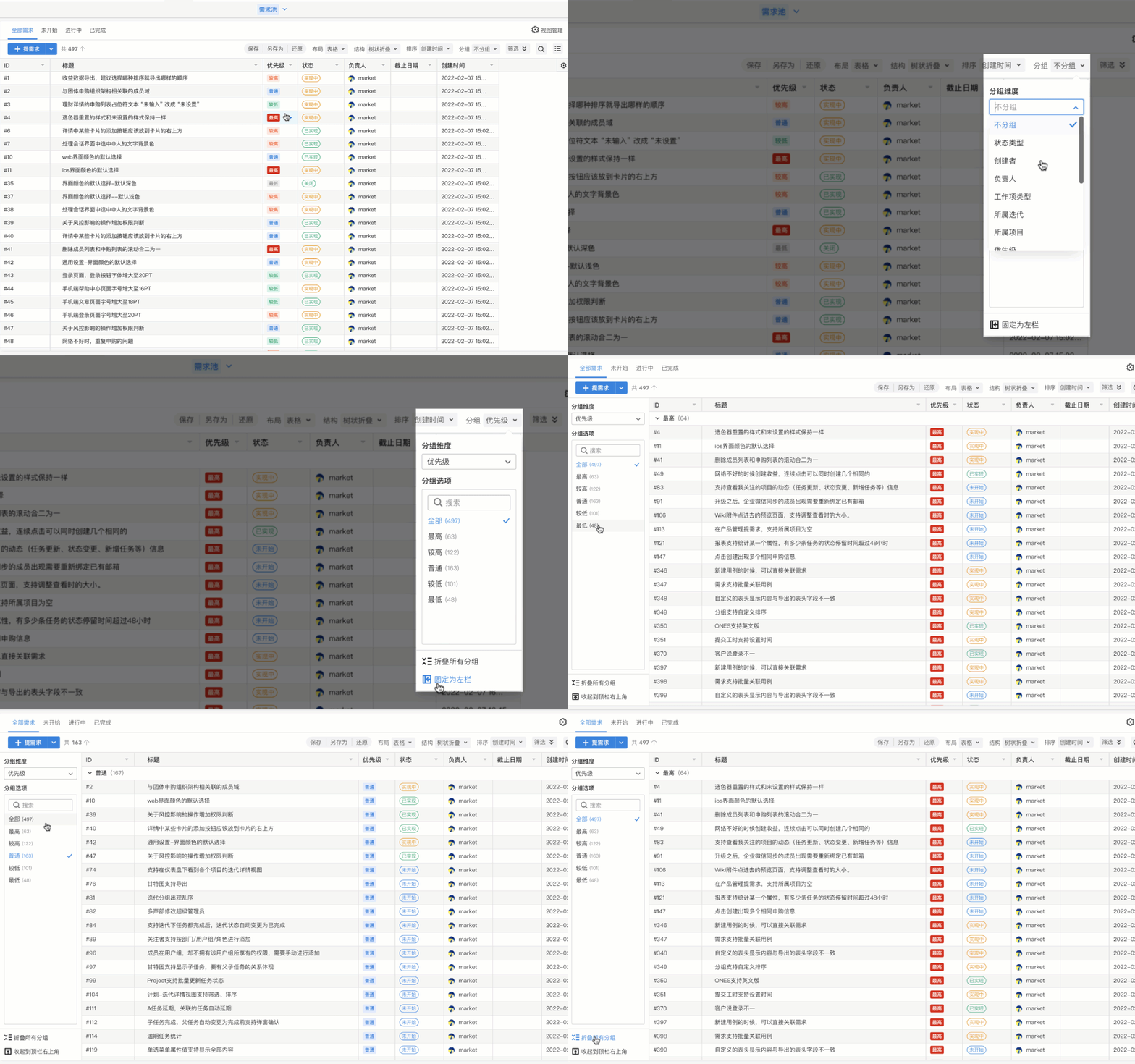
4. Requirements list grouping
According to the source of demand 、 Type of demand 、 Requirements owners are grouped , Convenient for quick selection .
5. Demand list filtering
Output keywords 「 Official website 」, You can quickly retrieve all and 「 Official website 」 Related needs .
With professional solutions and service capabilities ,ONES Has successfully helped Inspur software 、 Investment Promotion Fund 、 Guizhou Moutai 、 China Telecom and other industries 20 More than 10000 medium and large-scale teams have improved their R & D efficiency .
Want to experience it now ONES Flexible and powerful solutions ? Welcome to scan the code or click to read the full text to contact us , Immediately start easy and efficient R & D management .





边栏推荐
- Debezium series: record the messages parsed by debezium and the solutions after the MariaDB database deletes multiple temporary tables
- 1:引文;
- Ffplay document [easy to understand]
- leetcode刷题:二叉树16(路径总和)
- C - sequential structure
- 浅浅的谈一下ThreadLocalInsecureRandom
- Unity editor extended UI control
- 【c语言】快速排序的三种实现以及优化细节
- 怎么挑选好的外盘平台,安全正规的?
- 【数字IC验证快速入门】6、Questasim 快速上手使用(以全加器设计与验证为例)
猜你喜欢
B站UP搭建世界首个纯红石神经网络、基于深度学习动作识别的色情检测、陈天奇《机器学编译MLC》课程进展、AI前沿论文 | ShowMeAI资讯日报 #07.05
Scala基础【HelloWorld代码解析,变量和标识符】
Leetcode brush question: binary tree 14 (sum of left leaves)

Oracle-表空间管理
kubernetes资源对象介绍及常用命令(五)-(ConfigMap&Secret)
无卷积骨干网络:金字塔Transformer,提升目标检测/分割等任务精度(附源代码)...

leetcode刷题:二叉树15(找树左下角的值)
.Net分布式事務及落地解决方案
Based on vs2017 and cmake GUI configuration, zxing and opencv are used in win10 x64 environment, and simple detection of data matrix code is realized
leetcode刷题:二叉树17(从中序与后序遍历序列构造二叉树)
随机推荐
Let's talk about threadlocalinsecurerandom
计算lnx的一种方式
DP: tree DP
关于BRAM IP复位的优先级
C langue OJ obtenir PE, ACM démarrer OJ
Oracle-表空间管理
July 4, 2022 - July 10, 2022 (UE4 video tutorial MySQL)
Autumn byte interviewer asked you any questions? In fact, you have stepped on thunder
Jvmrandom cannot set seeds | problem tracing | source code tracing
Base du réseau neuronal de convolution d'apprentissage profond (CNN)
Scala basics [HelloWorld code parsing, variables and identifiers]
Cocos2d-x项目总结中的一些遇到的问题
c語言oj得pe,ACM入門之OJ~
IC科普文:ECO的那些事儿
Debezium series: record the messages parsed by debezium and the solutions after the MariaDB database deletes multiple temporary tables
本季度干货导航 | 2022年Q2
Process file and directory names
建立自己的网站(16)
基金网上开户安全吗?去哪里开,可以拿到低佣金?
【数字IC验证快速入门】3、数字IC设计全流程介绍