当前位置:网站首页>线程池的使用和原理
线程池的使用和原理
2022-07-04 14:53:00 【全栈程序员站长】
目录
一、线程池的作用
二、线程池的关系图
三、线程池的创建及参数
四、线程池的使用原理
五、线程池的使用
一、线程池的作用
随着cpu核数越来越多,不可避免的利用多线程技术以充分利用其计算能力。所以,多线程技术是服务端开发人员必须掌握的技术。线程的创建和销毁,都涉及到系统调用,比较消耗系统资源,所以就引入了线程池技术,线程池中有已经创建好的线程,可直接使用,并且使用完了,直接再次放回线程池,避免频繁的线程创建和销毁。
二、线程池的关键类的关系图
从上面可以看出Java的线程池主的实现类主要有两个类ThreadPoolExecutor和ForkJoinPool。
ForkJoinPool是Fork/Join框架下使用的一个线程池,一般情况下,我们使用的比较多的就是ThreadPoolExecutor。我们大多数时候创建线程池是通过Executors
三、线程池的创建和参数解析
先看一个参数最完整的创建线程池的构造方法
参数解析:
①corePoolSize:线程池的核心线程数,说白了就是,即便是线程池里没有任何任务,也会有corePoolSize个线程在候着等任务。
②maximumPoolSize:最大线程数,不管你提交多少任务,线程池里最多工作线程数就是maximumPoolSize。
③keepAliveTime:线程的存活时间。当线程池里的线程数大于corePoolSize时,如果等了keepAliveTime时长还没有任务可执行,则线程退出。
⑤unit:这个用来指定keepAliveTime的单位,比如秒:TimeUnit.SECONDS。
⑥workQueue:一个阻塞队列,提交的任务将会被放到这个队列里。
⑦threadFactory:线程工厂,用来创建线程,主要是为了给线程起名字,默认工厂的线程名字:pool-1-thread-3。
⑧handler:拒绝策略,当线程池里线程被耗尽,且队列也满了的时候会调用。
线程池创建:
java.util.concurrent.Executosr是线程池的静态工厂,我们通常使用它方便地生产各种类型的线程池,主要的方法有四种:
1、newSingleThreadExecutor()——创建一个单线程的线程池
2、newFixedThreadPool(int n)——创建一个固定大小的线程池
3、newCachedThreadPool()——创建一个可缓存的线程池
4、newScheduledThreadPool()——创建一个固定线程数的线程池,支持定时及周期性执行后台任务。
(1)newSingleThreadExecutor()单线程数的线程池
public static ExecutorService newSingleThreadExecutor() {
    return new FinalizableDelegatedExecutorService
        (new ThreadPoolExecutor(1, 1,
                                0L, TimeUnit.MILLISECONDS,
                                new LinkedBlockingQueue<Runnable>()));
}

public static ExecutorService newSingleThreadExecutor(ThreadFactory threadFactory) {
    return new FinalizableDelegatedExecutorService
        (new ThreadPoolExecutor(1, 1,
                                0L, TimeUnit.MILLISECONDS,
                                new LinkedBlockingQueue<Runnable>(),
threadFactory));最关键的是corePoolSize(核心线程数)参数和maximumPoolSize(最大线程数)两个参数都是1
(2)newFixedThreadPool()固定线程数的线程池
public static ExecutorService newFixedThreadPool(int nThreads) {
    return new ThreadPoolExecutor(nThreads, nThreads,
                                  0L, TimeUnit.MILLISECONDS,
                                  new LinkedBlockingQueue<Runnable>());
}

public static ExecutorService newFixedThreadPool(int nThreads, ThreadFactory threadFactory) {
    return new ThreadPoolExecutor(nThreads, nThreads,
                                  0L, TimeUnit.MILLISECONDS,
                                  new LinkedBlockingQueue<Runnable>(),
threadFactory);可以看出corePoolSize(核心线程数)参数和maximumPoolSize(最大线程数)两个参数都是相等
(3)newCachedThreadPool()创建一个可以根据需要创建新线程的线程池,它是没有线程数量限制的
public static ExecutorService newCachedThreadPool() {
    return new ThreadPoolExecutor(0, Integer.MAX_VALUE,
                                  60L, TimeUnit.SECONDS,
                                  new SynchronousQueue<Runnable>());
}

public static ExecutorService newCachedThreadPool(ThreadFactory threadFactory) {
    return new ThreadPoolExecutor(0, Integer.MAX_VALUE,
                                  60L, TimeUnit.SECONDS,
                                  new SynchronousQueue<Runnable>(),
                                  threadFactory);
}corePoolSize=0,maximumPoolSize=Integer.MAX_VALUE(认为是无限大)keepAliveTime=60s,当60s秒后没有任务执行的线程将会退出,由于CachedThreadPool线程没有上线,无线创建线程需要大量的内存,需要谨慎使用
(4)newScheduledThreadPool():创建一个固定线程数的线程池,支持定时及周期性执行后台任务。这个用的比较少,就略过
四、线程池的运行原理
用一张图来描述线程池执行的流程
该图对应如下源码:
五、线程池使用
实例
(1)newSingleThreadExecutor
MyThread.java
public class MyThread extends Thread{
	@Override
	public void run() {
		// TODO Auto-generated method stub
		System.out.println(Thread.currentThread().getName() + "正在执行。。。");
	}
}ThreadPoolTest.java
ThreadPoolTest.java
import java.util.concurrent.ExecutorService;
import java.util.concurrent.Executors;

public class ThreadPoolTest {

	public static void main(String[] args) {
        //创建一个可重用固定线程数的线程池
        ExecutorService pool = Executors. newSingleThreadExecutor();
        //创建实现了Runnable接口对象,Thread对象当然也实现了Runnable接口
        Thread t1 = new MyThread();
        Thread t2 = new MyThread();
        Thread t3 = new MyThread();
        Thread t4 = new MyThread();
        Thread t5 = new MyThread();
        //将线程放入池中进行执行
        pool.execute(t1);
        pool.execute(t2);
        pool.execute(t3);
        pool.execute(t4);
        pool.execute(t5);
        //关闭线程池
        pool.shutdown();
    }
}运行结果:
(2)newFixedThreadPool
import java.util.concurrent.ExecutorService;
import java.util.concurrent.Executors;

public class ThreadPoolTest {

	public static void main(String[] args) {
        //创建一个可重用固定线程数的线程池
        //ExecutorService pool = Executors. newSingleThreadExecutor();
        //固定线程池大小
        ExecutorService pool = Executors.newFixedThreadPool(2);
        //创建实现了Runnable接口对象,Thread对象当然也实现了Runnable接口
        Thread t1 = new MyThread();
        Thread t2 = new MyThread();
        Thread t3 = new MyThread();
        Thread t4 = new MyThread();
        Thread t5 = new MyThread();
        //将线程放入池中进行执行
        pool.execute(t1);
        pool.execute(t2);
        pool.execute(t3);
        pool.execute(t4);
        pool.execute(t5);
        //关闭线程池
        pool.shutdown();
    }
}运行结果:
(3)newCachedThreadPool
根据上面一样,只修改一句话
//创建一个可重用固定线程数的线程池
ExecutorService pool = Executors.newCachedThreadPool();
运行结果:
好了,线程池的简单介绍先到这里,如有不对,请多多指教。
发布者:全栈程序员栈长,转载请注明出处:https://javaforall.cn/111249.html原文链接:https://javaforall.cn
边栏推荐
- MFC implementation of ACM basic questions encoded by the number of characters
- What is the catalog of SAP commerce cloud
- 《吐血整理》保姆级系列教程-玩转Fiddler抓包教程(2)-初识Fiddler让你理性认识一下
- Statistical learning: logistic regression and cross entropy loss (pytoch Implementation)
- ECCV 2022放榜了:1629篇论文中选,录用率不到20%
- .Net 应用考虑x64生成
- 科普达人丨一文看懂阿里云的秘密武器“神龙架构”
- TypeError: not enough arguments for format string
- Market trend report, technical innovation and market forecast of China's hair repair therapeutic apparatus
- Function test - knowledge points and common interview questions
猜你喜欢
I let the database lock the table! Almost fired!
TypeError: list indices must be integers or slices, not str

DC-2靶场搭建及渗透实战详细过程(DC靶场系列)
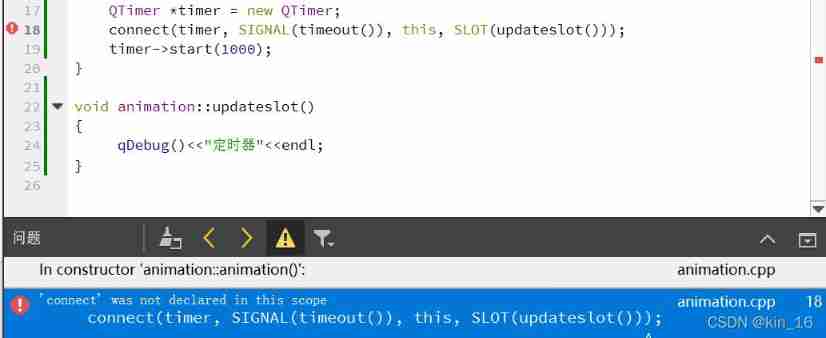
error: ‘connect‘ was not declared in this scope connect(timer, SIGNAL(timeout()), this, SLOT(up

Ten clothing stores have nine losses. A little change will make you buy every day
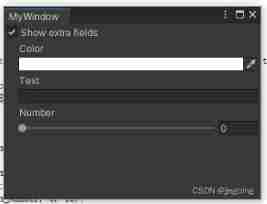
Common knowledge of unity Editor Extension
Game theory

科普达人丨一文看懂阿里云的秘密武器“神龙架构”
In today's highly integrated chips, most of them are CMOS devices
![[North Asia data recovery] data recovery case of database data loss caused by HP DL380 server RAID disk failure](/img/f0/12dd17e840a23dc9ded379e1fd7454.jpg)
[North Asia data recovery] data recovery case of database data loss caused by HP DL380 server RAID disk failure
随机推荐
Market trend report, technical innovation and market forecast of taillight components in China
Rearrange array
Intranet penetrating FRP: hidden communication tunnel technology
Unity animation day05
Understand the rate control mode rate control mode CBR, VBR, CRF (x264, x265, VPX)
Will the memory of ParticleSystem be affected by maxparticles
Unity script API - component component
Book of night sky 53 "stone soup" of Apache open source community
[Chongqing Guangdong education] National Open University spring 2019 1396 pharmaceutical administration and regulations (version) reference questions
Market trend report, technical innovation and market forecast of electrochromic glass and devices in China and Indonesia
Expression #1 of ORDER BY clause is not in SELECT list, references column ‘d.dept_ no‘ which is not i
Actual combat | use composite material 3 in application
Move, say goodbye to the past again
函数式接口,方法引用,Lambda实现的List集合排序小工具
MFC implementation of ACM basic questions encoded by the number of characters
Research Report on plastic recycling machine industry - market status analysis and development prospect forecast
多年锤炼,迈向Kata 3.0 !走进开箱即用的安全容器体验之旅| 龙蜥技术
Unity script introduction day01
DIY a low-cost multi-functional dot matrix clock!
Accounting regulations and professional ethics [6]