当前位置:网站首页>Keras implements verification code identification
Keras implements verification code identification
2022-07-05 12:26:00 【Dongcheng West que】

import os
os.environ['TF_CPP_MIN_LOG_LEVEL'] = '2'
import numpy as np
import os
from sklearn.model_selection import train_test_split
from tensorflow import keras
from tensorflow.keras import layers
from tensorflow.keras import models
from tensorflow.keras.preprocessing.image import img_to_array
from tensorflow.keras.preprocessing.image import load_img

import matplotlib.pyplot as plt

epochs = 5
batch_size=128
img_rows = None
img_cols = None
digits_in_img = 4
x_list = list()
y_list = list()
x_train = list()
y_train = list()
x_val= list()
y_val = list()
x_test = list()
y_test = list()
train_image="Task3/internet-verification-code/train_images"
test_image="Task3/internet-verification-code/test_images"

alphabetdic={"a":10,"b":11,"c":12,"d":13,"e":14,
             "f":15,"g":16,"h":17,"i":18,"j":19,"k":20,"l":21,
             "m":22,"n":23,"o":24,"p":25,"q":26,"r":27,"s":28,
             "t":29,"u":30,"v":31,"w":32,"x":33,"y":34,"z":35}

print("alphabetdic",alphabetdic["a"])

def split_digits_in_img(img_array, x_list, y_list):
    for i in range(digits_in_img):
        step = img_cols // digits_in_img

        x_list.append(img_array[:, i * step:(i + 1) * step] / 255)
        if img_filename[i].isdigit():
            y_list.append(img_filename[i])
        else:
            y_list.append(alphabetdic[img_filename[i]])

def split_digits_testimage(img_array, x_test,y_test ):
    for j in range(digits_in_img):
        step = img_cols // digits_in_img

        x_test.append(img_array[:, j* step:(j + 1) * step] / 255)
        if test_filename[j].isdigit():
            y_test.append(test_filename[j])
        else:
            y_test.append(alphabetdic[test_filename[j]])

# load all img filenames
img_filenames = os.listdir(train_image)
test_filenames=os.listdir(test_image)


# load images as arrays
for img_filename in img_filenames:
    if '.jpeg' not in img_filename:
        continue
    img = load_img(train_image+'/{0}'.format(img_filename), color_mode='grayscale')
    img_array = img_to_array(img)

    img_rows, img_cols, _ = img_array.shape

    split_digits_in_img(img_array, x_list, y_list)
y_list = keras.utils.to_categorical(y_list, num_classes=36)

for test_filename in test_filenames:
    if '.jpeg' not in test_filename:
        continue
    img = load_img(test_image+'/{0}'.format(test_filename ), color_mode='grayscale')
    img_array = img_to_array(img)
    img_rows, img_cols, _ = img_array.shape
    split_digits_testimage(img_array, x_test,y_test )
y_test= keras.utils.to_categorical(y_test, num_classes=36)

# split data into training set and Validation set
x_train, x_val, y_train, y_val = train_test_split(x_list, y_list)

# model
if os.path.isfile('model/cnn_model.h5'):
    # recreate the exact same model purely from the file if exist
    model = models.load_model('model/cnn_model.h5')
    print('Model loaded from file.')
else:
    # otherwise, create a new cnn model
    model = models.Sequential()
    model.add(layers.Conv2D(32, kernel_size=(3, 3), activation='relu', input_shape=(img_rows, img_cols // digits_in_img, 1)))
    model.add(layers.Conv2D(64, (3, 3), activation='relu'))
    model.add(layers.MaxPooling2D(pool_size=(2, 2)))
    model.add(layers.Dropout(rate=0.25))
    model.add(layers.Flatten())
    model.add(layers.Dense(128, activation='relu'))
    model.add(layers.Dropout(rate=0.5))
    model.add(layers.Dense(36, activation='softmax'))
    print('New model created.')

model.compile(loss=keras.losses.categorical_crossentropy, optimizer=keras.optimizers.Adam(), metrics=['accuracy'])

# start training
model.fit(np.array(x_list), np.array(y_list), batch_size=128, epochs=epochs, verbose=1, validation_data=(np.array(x_val), np.array(y_val)))

# evaluate model
loss, accuracy = model.evaluate(np.array(x_test), np.array(y_test), verbose=0)
print('Test loss:', loss)
print('Test accuracy:', accuracy)

# save the model
model.save('model/cnn_model.h5')边栏推荐
- Interviewer: is acid fully guaranteed for redis transactions?
- Which domestic cloud management platform manufacturer is good in 2022? Why?
- Matlab superpixels function (2D super pixel over segmentation of image)
- Array cyclic shift problem
- Handwriting blocking queue: condition + lock
- NPM install reports an error
- JS for循环 循环次数异常
- Linux Installation and deployment lamp (apache+mysql+php)
- MySQL splits strings for conditional queries
- Understand kotlin from the perspective of an architect
猜你喜欢
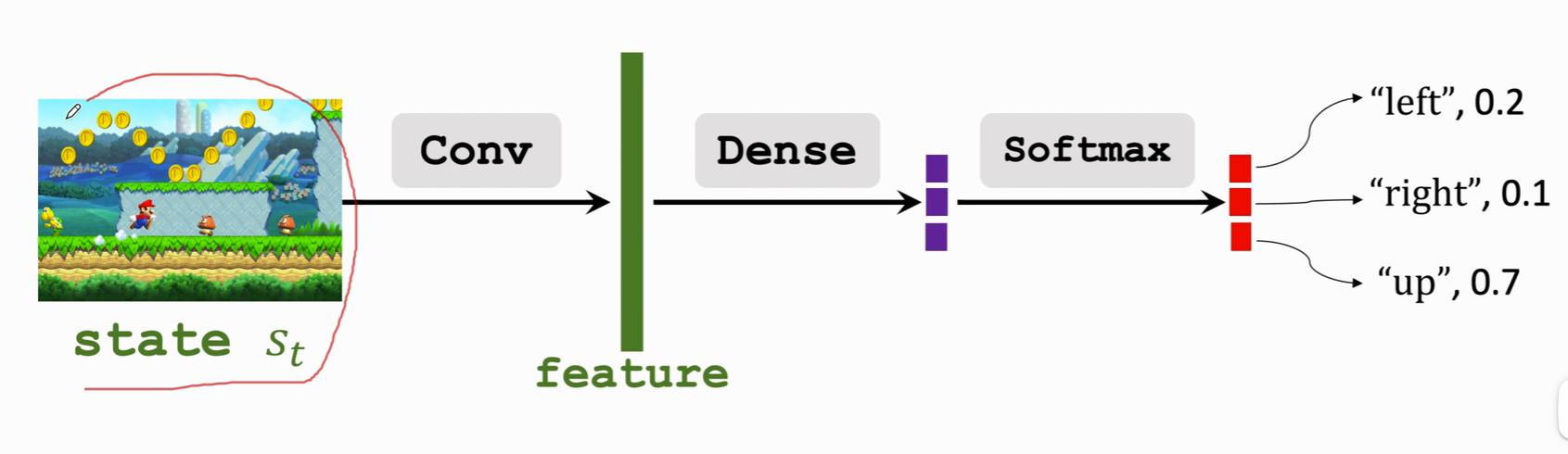
强化学习-学习笔记3 | 策略学习
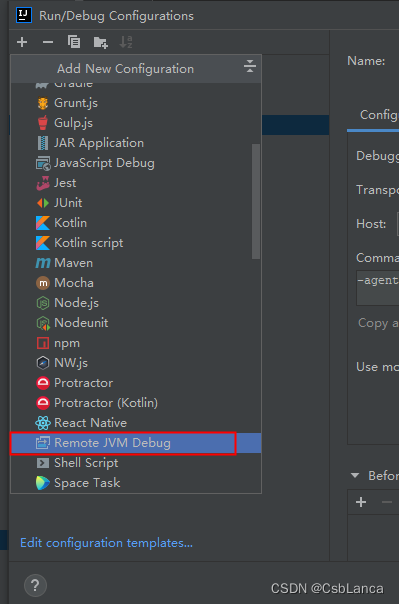
Check the debug port information in rancher and do idea remote JVM debug

Matlab boundarymask function (find the boundary of the divided area)
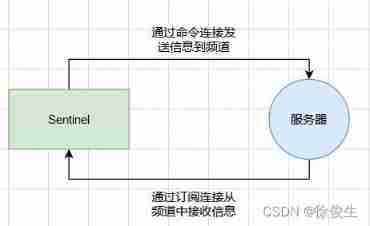
Redis highly available sentinel cluster
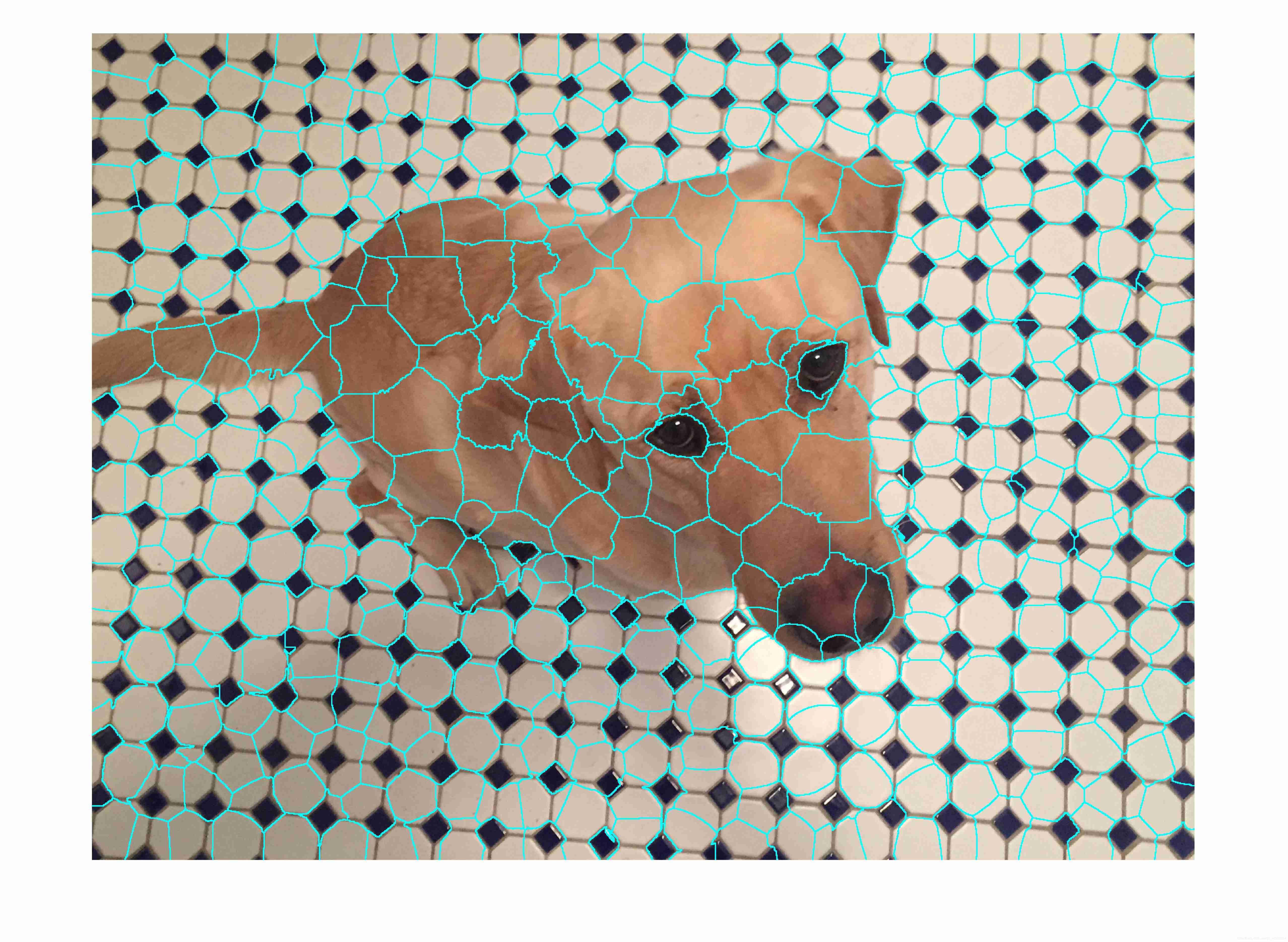
Matlab superpixels function (2D super pixel over segmentation of image)

什么是数字化存在?数字化转型要先从数字化存在开始
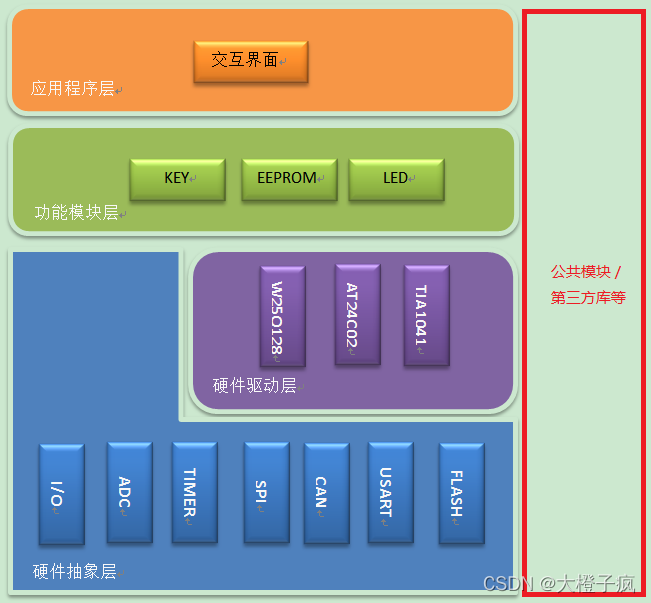
嵌入式软件架构设计-消息交互
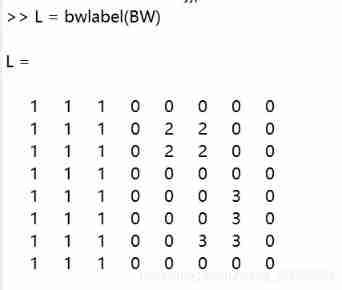
Matlab label2idx function (convert the label matrix into a cell array with linear index)

Summary of C language learning problems (VS)
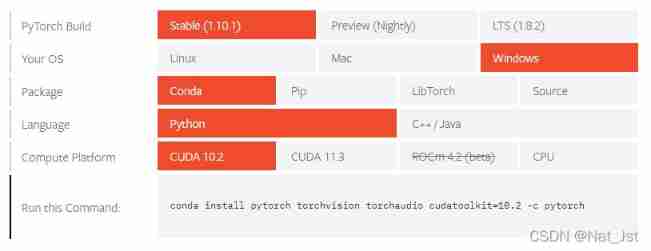
Anaconda creates a virtual environment and installs pytorch
随机推荐
[hdu 2096] Xiaoming a+b
Redis highly available slice cluster
Redis's memory elimination mechanism, read this article is enough.
Detailed steps for upgrading window mysql5.5 to 5.7.36
【load dataset】
16 channel water lamp experiment based on Proteus (assembly language)
Time tools
【ijkplayer】when i compile file “compile-ffmpeg.sh“ ,it show error “No such file or directory“.
GPS數據格式轉換[通俗易懂]
The evolution of mobile cross platform technology
Differences between IPv6 and IPv4 three departments including the office of network information technology promote IPv6 scale deployment
Embedded software architecture design - message interaction
报错ModuleNotFoundError: No module named ‘cv2.aruco‘
Intern position selection and simplified career development planning in Internet companies
Redis clean cache
Array cyclic shift problem
mysql拆分字符串做条件查询
MySQL splits strings for conditional queries
II. Data type
Video networkState 属性