当前位置:网站首页>Implementation of address book (file version)
Implementation of address book (file version)
2022-07-02 11:49:00 【Less debug every day】
Indexes
Design requirements
Everyone's information doesn't just have numbers , We can also design gender and age , So the subject we choose is a structure
struct info
{

	char name[MAX_NAME];
	char sex[MAX_SEX];
	char phone[MAX_PHONENUMBER];
	char address[MAX_ADDRESS];
	int age;
};
The dynamic version is better when designing the address book , So we add a structure to the original structure
struct contact
{

	struct info* data;
	int sz;
	int capacity;
};
among capacity Indicates the capacity size ,sz Indicates the current number of contacts in the address book , When capacity==sz Capacity expansion is required at this time
Test.c
First, we need to write an enumeration constant
enum choice
{

	EXIT,// sign out
	ADD,// Add a Contact
	DEL,// Delete Contact
	SEARCH,// Find contacts
	MODIFY,// Modify address book
	SHOW,// Show the address book
	CLEAR,// Clear address book
	SORT// Sort the address book
};
If there is no assignment, it defaults from 0 Start , In this way, even if others only see our document, they can immediately understand the meaning of the numerical options .
Then there are some routine operations similar to the previous ones
void menu()
{

	printf("****************************************************************************\n");
	printf("***********************0. Exit address book *******1. Add a Contact ***********************\n");
	printf("***********************2. Delete Contact *******3. Find contacts ***********************\n");
	printf("***********************4. Modify contact ********5. Show the address book **********************\n");
	printf("***********************6. Format address book ******7, Sort contacts *******************\n");
	printf("******************************************************************************\n");

}
int main()
{

	struct contact con;
	// Initialize address book
	Init_Contact(&con);
	int input = 0;
	int size = 0;// Record how many people there are currently
	do
	{

		menu();
		printf(" Please select ->\n");
		scanf("%d", &input);
		switch (input)
		{

		case ADD:
			Add_Contact(&con);
			break;
		case DEL:
			Del_Contact(&con);
			break;
		case SEARCH:
			Search_Contact(&con);
			break;
		case MODIFY:
			Modify_Contact(&con);
			break;
		case SHOW:
			system("cls");
			Show_Contact(&con);
			break;
				case CLEAR:
					Clear_Contact(&con);
					break;
				case SORT:
					Sort_Contact(&con);
				default :
					printf(" Wrong selection. Please re select ->\n");

		}
	} while (input);

	return 0;
}
contact.h
 #define _CRT_SECURE_NO_WARNINGS 1
#pragma once
#include<stdio.h>
#include<stdlib.h>
#include<string.h>
#include<assert.h>
#include<Windows.h>
#define MAX_NAME 20
#define MAX_AGE 20
#define MAX_PHONENUMBER 20
#define MAX_ADDRESS 20
#define MAX_SEX 10
#define DEFAULT_SZ 3
struct info
{

	char name[MAX_NAME];
	char sex[MAX_SEX];
	char phone[MAX_PHONENUMBER];
	char address[MAX_ADDRESS];
	int age;
};
struct contact
{

	struct info* data;
	int sz;
	int capacity;
};
// Initialize address book
void Init_Contact(struct contact* pf);
// Determine whether the address book needs to be expanded
void Check_Capacity(struct contact* pf);
// Add a Contact
void Add_Contact(struct contact* pf);
void Show_Contact(struct contact* pf);// Print address book
void Del_Contact(struct contact* pf);// Delete Contact
void Search_Contact(struct contact* pf);// Find contacts
void Modify_Contact(struct contact* pf);// Modify contact
void Clear_Contact(struct contact* pf);// Format address book
void Sort_Contact(struct contact* pf);// Sort contacts in the address book
void Save_Contact(struct contact* pf);// Save the contents of the address book to a file
contact.c
Focus on two functions
1, Save the contents of the address book to a file
Storage uses binary storage :
Because the difference between a text file and a binary file is just the difference in encoding , So their advantages and disadvantages are the advantages and disadvantages of coding , Look for a coded book and it will be clear . It is generally believed , Text file encoding is based on character length , It's easier to decode ; Binary encoding is variable length , So it's flexible , Storage utilization is higher , It's harder to decode ( Different binary file formats , There are different ways of decoding ). About space utilization , think about it , Binary files can even use a bit to represent a meaning ( Bit operation ), And any meaning of the text file is at least one character
That is, there is no conversion time in the storage ( Don't encode or decode , Write the value directly ), So we use binary storage . Other words only need to understand fwrite and fread That's all right.
void Save_Contact(struct contact* pf)// Save the contents of the address book to a file
{

	assert(pf);
	FILE* ps = fopen("contact.txt", "wb");
	if (ps == NULL)
	{

		printf(" File opening failure \n");
		return;
	}
	int i = 0;
	for (i = 0; i < pf->sz; i++)
	{

		fwrite(&(pf->data[i]), sizeof(struct info), 1, ps);// Write the structure data to the file
	}
	printf(" Address book saved successfully !\n");
	fclose(ps);
	ps = NULL;


}
2, Initialize address book
When initializing the address book, you should import the contents of the address book in the file into the structure , Because it doesn't rule out checking the address book at the beginning .
void Init_Contact(struct contact* pf)// To initialize the address book, you also need to import the contents of the file into the structure
{

	pf->data = (struct info*)malloc(sizeof(struct info) * 3);
	if (pf->data == NULL)
	{

		printf(" Address book initialization error \n");
		return 0;

	}
	pf->sz = 0;
	pf->capacity = DEFAULT_SZ;
	FILE* ps = fopen("contact.txt", "rb");
	if (ps == NULL)
	{

		printf(" File opening failure \n");
		return;
	}
	while (fread(&(pf->data[pf->sz]), sizeof(struct info), 1, ps))
	{

		Check_Capacity(pf);
		pf->sz++;
	}


}
complete contact.c Code
#define _CRT_SECURE_NO_WARNINGS 1
#include"contact.h"
void Init_Contact(struct contact* pf)// To initialize the address book, you also need to import the contents of the file into the structure
{

	pf->data = (struct info*)malloc(sizeof(struct info) * 3);
	if (pf->data == NULL)
	{

		printf(" Address book initialization error \n");
		return 0;

	}
	pf->sz = 0;
	pf->capacity = DEFAULT_SZ;
	FILE* ps = fopen("contact.txt", "rb");
	if (ps == NULL)
	{

		printf(" File opening failure \n");
		return;
	}
	while (fread(&(pf->data[pf->sz]), sizeof(struct info), 1, ps))
	{

		Check_Capacity(pf);
		pf->sz++;
	}


}
void Check_Capacity(struct contact* pf)
{

	assert(pf);
	if (pf->capacity == pf->sz)
	{

		// Need to increase capacity
		struct inof*cur = (struct info*)realloc(pf->data, (pf->capacity + 2) * sizeof(struct info));
		if (cur != NULL)
		{

			pf->data = cur;
			pf->capacity += 2;
			printf(" Successful expansion \n");

		}
		else
		{

			printf(" Capacity increase failed \n");
		}
	}
}

void Add_Contact(struct contact* pf)
{

	// As long as you add contact information, you have to check whether you need to expand
	Check_Capacity(pf);
	printf(" Please enter a name :\n");
	scanf("%s", &(pf->data[pf->sz].name));
	printf(" Please enter gender :\n");
	scanf("%s", &(pf->data[pf->sz].sex));
	printf(" Please enter age :\n");
	scanf("%d", &(pf->data[pf->sz].age));

	printf(" Please enter the address :\n");
	scanf("%s", &(pf->data[pf->sz].address));

	printf(" Please enter : number \n");
	scanf("%s", &(pf->data[pf->sz].phone));
	pf->sz++;
	printf(" Add contact succeeded !\n");


}
void Show_Contact(struct contact* pf)// Print address book
{

	if (pf->sz == 0)
	{

		printf(" Address book is empty !\n");

	}
	else
	{

		printf("%-20s\t%-5s\t%-4s\t%-30s\t%-13s\t\n", " full name ", " Gender ", " Age ", " Address ", " number ");
		int i = 0;
		while (i < pf->sz)
		{

			// data
			printf("%-20s\t%-5s\t%-4d\t%-30s\t%-13s\t\n", pf->data[i].name, pf->data[i].sex,
				pf->data[i].age, pf->data[i].address, pf->data[i].phone);
			i++;
		}
	}
}
// Find contacts by name
int find_by_name(struct contact* pf, char* name)
{

	int i = 0;
	while (i < pf->sz)
	{

		if (strcmp(pf->data[i].name, name) == 0)
			return i;
	}
	return -1;
}
void Del_Contact(struct contact* pf)// Delete Contact
{

	if (pf->sz == 0)
	{

		printf(" Address book is empty , Cannot delete !\n");
	}
	else
	{

		char name[MAX_NAME];
		printf(" Please enter the name of the contact to be deleted \n");
		scanf("%s", name);
		int pos = find_by_name(pf,name);
		if (pos == -1)
		{

			printf(" The contact does not exist , Please re-enter \n");

		}
		else
		{

			for (int j = pos; j < pf->sz - 1; j++)
				pf->data[j] = pf->data[j + 1];
			pf->sz--;
			printf(" Delete contact successfully !\n");
		}
	}
}
void Search_Contact(struct contact* pf)
{

	if (pf->sz == 0)
	{

		printf(" Address book is empty , Can't find !\n");
	}
	else
	{

		char name[MAX_NAME];
		printf(" Please enter the name of the contact to be deleted \n");
		scanf("%s", name);
		int pos = find_by_name(pf, name);
		if (pos == -1)
		{

			printf(" The contact does not exist , Please find again \n");

		}
		else

		{

			printf("%-20s\t%-5s\t%-4s\t%-30s\t%-13s\t\n", " full name ", " Gender ", " Age ", " Address ", " number ");
			printf("%-20s\t%-5s\t%-4d\t%-30s\t%-13s\t\n", pf->data[pos].name, pf->data[pos].sex,
				pf->data[pos].age, pf->data[pos].address, pf->data[pos].phone);
		}

	}
}
void Modify_Contact(struct contact* pf)// Modify contact
{

	char name[MAX_NAME];
	printf(" Please enter the name of the contact to be modified :");
	scanf("%s", name);
	int pos = find_by_name(pf,name);
	if (pos == -1)
	{

		printf(" The contact does not exist , Please re-enter \n");
		return;
	}
	else
	{

		printf(" Please enter a name :");
		scanf("%s", pf->data[pos].name);
		printf(" Please enter gender :");
		scanf("%s", pf->data[pos].sex);
		printf(" Please enter age :");
		scanf("%d", &pf->data[pos].age);
		printf(" Please enter the address :");
		scanf("%s", pf->data[pos].address);
		printf(" Please enter the number :");
		scanf("%s", pf->data[pos].phone);
		printf(" Contact modified successfully !\n");
	}


}
void Clear_Contact(struct contact* pf)// Format address book
{

	memset(pf->data, 0, sizeof(pf->data));
	pf->sz = 0;
	printf(" Format successful !\n");


}
int Compare_by_name(const void* e1, const void* e2)
{

	return strcmp(((struct info*)e1)->name, ((struct info*)e2)->name);
}
int Compare_by_age(const void* e1, const void* e2)
{

	return ((struct info*)e1)->age - ((struct info*)e2)->age;
}
int Compare_by_address(const void* e1, const void* e2)
{

	return strcmp(((struct info*)e1)->address, ((struct info*)e2)->address);

}
void Sort_Contact(struct contact* pf)// Sort contacts in the address book
{

	printf(" Please select sort by 1: full name 2: Age 3: Home address \n");
	int input = 0;
	scanf("%d", &input);
	switch (input)
	{

	case 1:
		qsort(pf->data, pf->sz, sizeof(pf->data[0]), Compare_by_name);
		printf(" Sort success !\n");
		break;
	case 2:
		qsort(pf->data, pf->sz, sizeof(pf->data[0]), Compare_by_age);
		printf(" Sort success !\n");
		break;
	case 3:
		qsort(pf->data, pf->sz, sizeof(pf->data[0]), Compare_by_address);
		printf(" Sort success !\n");
		break;


	}


}
void Save_Contact(struct contact* pf)// Save the contents of the address book to a file
{

	assert(pf);
	FILE* ps = fopen("contact.txt", "wb");
	if (ps == NULL)
	{

		printf(" File opening failure \n");
		return;
	}
	int i = 0;
	for (i = 0; i < pf->sz; i++)
	{

		fwrite(&(pf->data[i]), sizeof(struct info), 1, ps);// Write the structure data to the file
	}
	printf(" Address book saved successfully !\n");
	fclose(ps);
	ps = NULL;


}
In fact, most of the code of the address book is not very difficult , But the storage of files can be appropriately referred to hh
边栏推荐
猜你喜欢
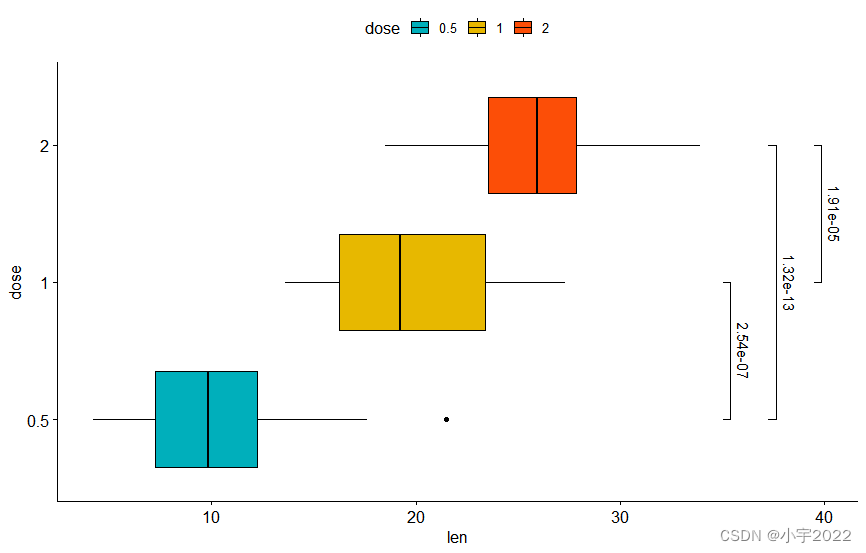
How to Add P-Values onto Horizontal GGPLOTS

MySQL比较运算符IN问题求解

Always report errors when connecting to MySQL database
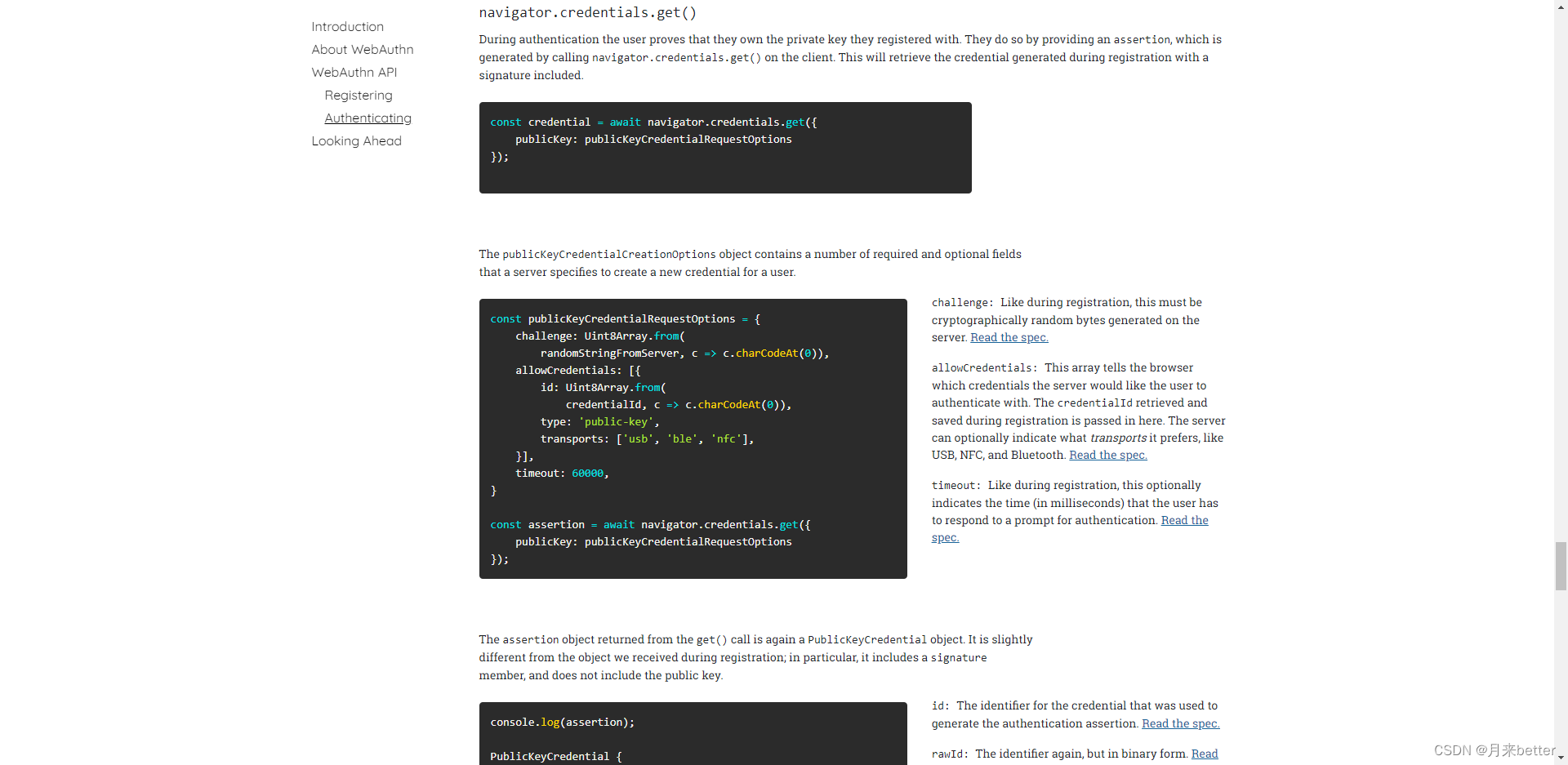
Webauthn - official development document

八大排序汇总
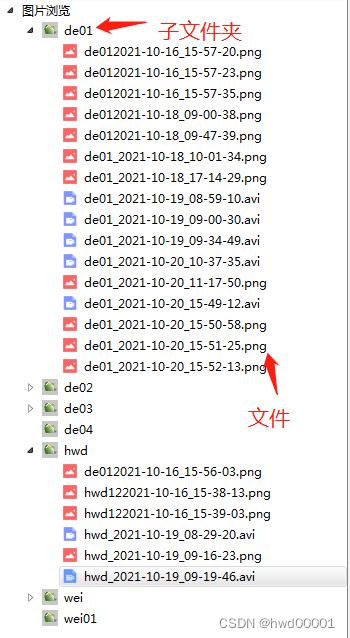
Pyqt5+opencv project practice: microcirculator pictures, video recording and manual comparison software (with source code)
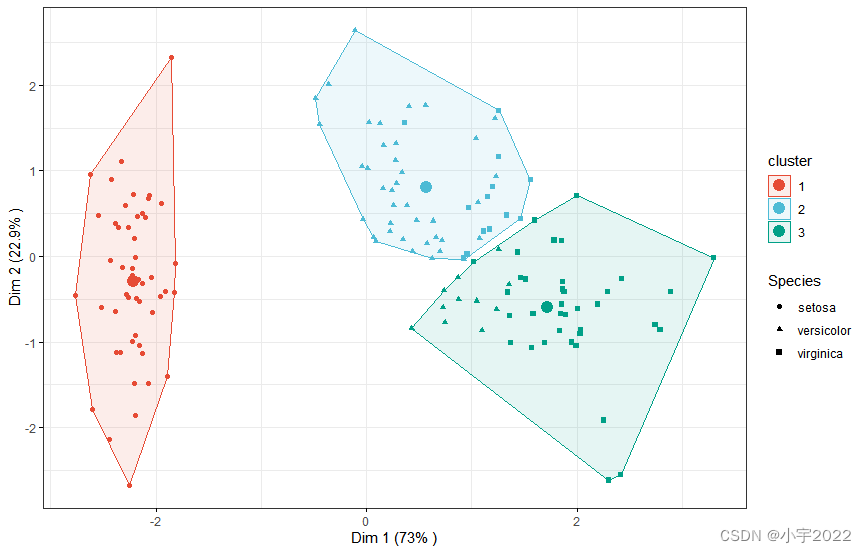
K-Means Clustering Visualization in R: Step By Step Guide

念念不忘,必有回响 | 悬镜诚邀您参与OpenSCA用户有奖调研
ESP32音频框架 ESP-ADF 添加按键外设流程代码跟踪
Esp32 audio frame esp-adf add key peripheral process code tracking
随机推荐
map集合赋值到数据库
通讯录的实现(文件版本)
微信小程序利用百度api达成植物识别
Astparser parsing class files with enum enumeration methods
mysql链表数据存储查询排序问题
YYGH-10-微信支付
Precautions for scalable contract solution based on openzeppelin
How to Easily Create Barplots with Error Bars in R
php 根据经纬度查询距离
HOW TO CREATE A BEAUTIFUL INTERACTIVE HEATMAP IN R
Beautiful and intelligent, Haval H6 supreme+ makes Yuanxiao travel safer
R HISTOGRAM EXAMPLE QUICK REFERENCE
时间格式化显示
Develop scalable contracts based on hardhat and openzeppelin (I)
Digital transformation takes the lead to resume production and work, and online and offline full integration rebuilds business logic
PHP query distance according to longitude and latitude
easyExcel和lombok注解以及swagger常用注解
MySQL basic statement
Seriation in R: How to Optimally Order Objects in a Data Matrice
Research on and off the Oracle chain